


Our Blog

WHY CHOOSE US?

We Make Parking Lot Problems Go Away!

Having been in business for over 20 years, Gann Asphalt & Concrete, Inc. is a nationally recognized, full service paving and pavement maintenance contractor proudly serving the Kansas City and surrounding areas. Whether it’s asphalt, or concrete, or pavement maintenance, our mission is simple! We provide pavement solutions to make hazardous parking lots safe, inefficient parking lots cost effective and unsightly parking lots inviting to your customers and guests!

  • Free Consultation

    Speak with one of our expert customer representatives to discuss any pavement questions...

  • No Commissions

    Take comfort in knowing that our staff has only YOUR best interest in mind! Your investment is OUR...

  • In-House Crews

    Whether we are providing asphalt, concrete, sealcoating or striping services, Gann...

  • Our Guarantee

    We stand behind our workmanship! All Projects come with a written warranty!

This is the archive page description

Is Asphalt Maintenance Worth It for Long-Term Pavement Care?

06 Pavement Maintenance 2If you manage a commercial property in Kansas City, MO, asphalt maintenance is not just a cosmetic line item. It directly affects safety, compliance, and long-term capital planning.

From freeze-thaw cycles off I-435 to heavy truck traffic near industrial corridors like Front Street, local pavement takes a beating.

The right maintenance plan can stretch service life, control costs, and keep your site inspection-ready year after year. That brings us to the real question and what we see every day at our company.

Key Takeaways

  • Asphalt maintenance in Kansas City directly extends pavement lifespan and controls long-term costs.
  • Sealcoating, crack sealing, drainage, and targeted repairs prevent structural failure.
  • Early signs like cracking, ponding, and surface oxidation signal the need for action.
  • Choosing a contractor with local commercial experience ensures maintenance delivers real value.

How Asphalt Maintenance Extends Pavement Lifespan and Reduces Long-Term Costs in Kansas City

Proactive maintenance works because it addresses small issues before Midwest weather and traffic turn them into structural failures.

In Kansas City, timing and technique matter as much as the service itself.

Sealcoating Against UV and Moisture Damage

Sealcoating forms a protective barrier that blocks water intrusion and slows oxidation from summer sun exposure.

In open retail centers along Metcalf Avenue or State Line Road, unsealed asphalt dries out fast under constant exposure.

A scheduled sealcoat every two to three years helps preserve flexibility, which reduces surface raveling and delays the need for full-depth replacement.

Crack Sealing Before Freeze-Thaw Expansion

Cracks allow water to reach the base layer, and Kansas City winters do the rest. When moisture freezes and expands, cracks widen and interlock, leading to potholes by late winter.

Crack sealing in the fall, before temperatures drop below 50 degrees, limits water entry and protects the subbase common in older industrial parks near the rail yards.

Drainage Corrections That Protect the Subbase

Standing water is one of the fastest ways to shorten pavement life.

Poor slope or clogged inlets around office parks in Johnson County and Jackson County lead to soft spots and premature failure.

Minor grading corrections and inlet repairs keep water moving toward storm systems managed by the city, protecting load-bearing layers beneath the asphalt.

Targeted Patching Instead of Full Replacement

Localized failures do not always require tearing out the entire lot.

Infrared repair and saw-cut patching address damaged areas caused by delivery trucks or dumpster enclosures.

In high-traffic commercial sites near distribution hubs, this approach keeps operations running while avoiding unnecessary capital expense.

Striping and Surface Maintenance for Compliance

While striping does not extend structural life, it plays a role in asset protection.

Clear markings improve traffic flow, reduce turning stress, and support ADA accessibility requirements enforced locally.

Fresh striping also supports safer snow removal during winter storms common along the Missouri River corridor.

Signs It’s Time for Maintenance in Kansas City

Recognizing early warning signs helps you schedule work before costs escalate. Choosing the right contractor ensures the work actually solves the problem rather than masking it.

Widening Cracks and Alligator Patterns

Cracks that spread into interconnected patterns signal base fatigue. This often appears in loading zones or high-turn areas near shopping centers along Ward Parkway.

Early intervention with crack sealing or partial-depth repair can stop the progression before structural failure sets in.

Ponding Water After Moderate Rainfall

If water remains on the surface for hours after a typical Kansas City rain, drainage issues are already impacting the pavement.

Ponding accelerates oxidation and softens the base, especially in lots built decades ago without modern grading standards.

Fading Surfaces and Loose Aggregate

A gray, brittle surface with exposed aggregate indicates oxidation. This is common in lots that skipped sealcoating cycles, especially in sun-exposed areas near open highways like US-71.

Addressing this early with sealcoating restores surface integrity and prevents cracking.

Increasing Trip Hazards and Liability Risks

Uneven pavement, potholes, and crumbling edges create safety issues that attract claims. Property managers in business parks near downtown often see this after harsh winters. Maintenance reduces risk and supports documentation for insurance and compliance reviews.

How to Choose the Right Asphalt Contractor in Kansas City

Selecting a contractor is part of the maintenance strategy, not a separate task. The right partner understands local conditions, codes, and commercial realities.

  • Local Experience With Commercial Sites: Familiarity with Kansas City traffic patterns, soil conditions, and permitting processes leads to fewer surprises and better scheduling.
  • Clear Maintenance Planning: A qualified contractor explains what to fix now, what to monitor, and what can wait, rather than pushing full replacement.
  • Proper Equipment and Crews: Commercial work requires crews sized for efficiency and equipment suited for large lots, industrial access points, and after-hours work.
  • Compliance and Documentation: Understanding ADA requirements, OSHA jobsite practices, and local inspection expectations protects your operation and tenants.
  • Transparent Pricing and Scope: Detailed scopes and realistic cost ranges help with budgeting and capital planning without hidden add-ons.

Choosing carefully saves time, reduces rework, and ensures maintenance actually delivers long-term value.

Schedule a Pavement Maintenance Evaluation in Kansas City

Deferred maintenance always costs more. When cracks spread and bases fail, replacement becomes the only option.

At Gann Asphalt & Concrete, Inc, we help commercial property owners across Kansas City assess pavement condition, prioritize repairs, and build maintenance schedules that align with budgets and operations.

If you want to extend the life of your asphalt and reduce long-term capital costs, contact us and schedule a site walkthrough with our team this season and get clear, actionable recommendations.

Frequently Asked Questions

How often should our commercial asphalt be maintained in Kansas City?

Most commercial lots benefit from annual inspections, with crack sealing as needed and sealcoating every two to three years, depending on traffic and exposure. Local freeze-thaw cycles make consistent monitoring especially important.

What time of year is best for asphalt maintenance locally?

Late spring through early fall offers the best temperature ranges for sealcoating and crack sealing. Scheduling before winter helps prevent moisture-related damage during Kansas City cold snaps.

Do maintenance projects require permits or approvals?

Most surface maintenance does not require permits, but work affecting drainage or accessibility may involve local municipal guidelines and ADA standards. Coordination with property management and local authorities avoids delays.

Can maintenance be phased to fit our budget cycle?

Phased plans are common for large commercial sites. Prioritizing high-risk areas first allows compliance and safety needs to be met while spreading costs over multiple fiscal periods.
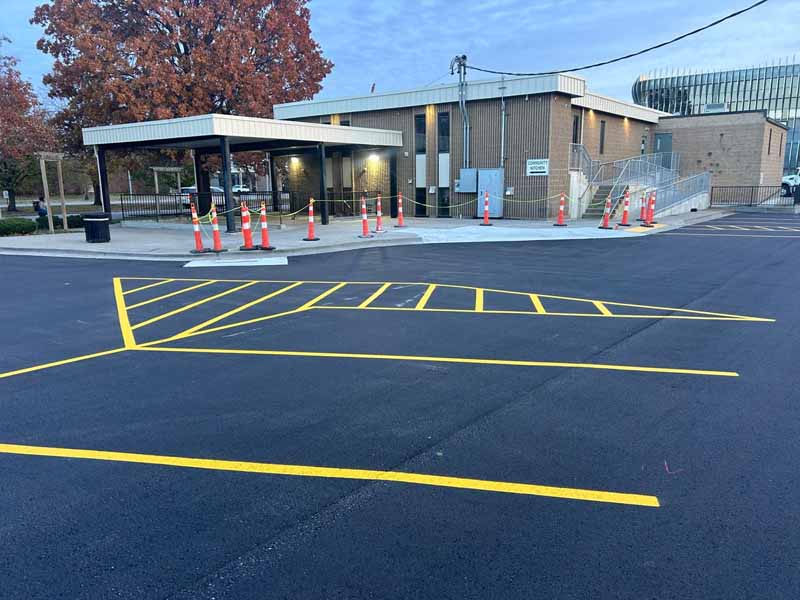
What Faded Parking Lot Striping Says to Your Customers

Bloom Living 24 1In Kansas City, your parking lot often does more talking than your signage. Before customers step into a retail plaza near Ward Parkway or an office building off I-435, they judge how easy, safe, and organized it feels to arrive. Faded parking lot striping quietly shapes those judgments, whether you intend it to or not.
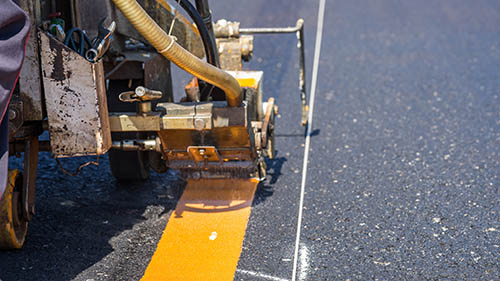
At Gann Asphalt & Concrete, Inc., we work with commercial property owners across the metro who are surprised by how much worn striping affects perception, safety, and compliance, which brings us to the specific messages those faded lines send.

Key Takeaways

  • Parking lot striping shapes first impressions before customers ever enter the building.
  • Faded markings signal safety risks, confusion, and potential compliance issues.
  • Kansas City weather and traffic accelerate striping wear, making timing critical.
  • Proactive restriping protects both business image and operational safety.

The Messages Faded Parking Lot Striping Sends About Your Business

Before signage, landscaping, or the front entrance comes into play, your parking lot sets expectations. When striping is faded or unclear, it communicates specific messages about the way the property is maintained and operated.

You’re Not Paying Close Attention

When striping is barely visible, customers assume maintenance is being deferred.

In competitive areas like Plaza-adjacent retail or office parks near Metcalf Avenue, people subconsciously compare properties. Clear, sharp striping suggests active management, while faded lines imply details are slipping.

That perception can extend beyond the lot and influence how tenants and visitors view the building itself.

Safety Isn’t High on the List

Parking lots around Kansas City handle a mix of vehicles, delivery trucks, and foot traffic. When stall lines, crosswalks, and arrows fade, drivers make their own rules. Near busy corridors like State Line Road or Truman Road, that uncertainty increases the risk of close calls.

Customers may not articulate it, but they feel less comfortable, especially during early mornings, evenings, or rain-heavy spring months.

Confusion Is Acceptable

Unclear striping leads to awkward parking, blocked drive lanes, and unnecessary congestion.

In multi-tenant commercial centers, that confusion creates friction between businesses sharing the same lot. Visitors circling longer than necessary or parking outside intended areas signals that the property prioritizes neither efficiency nor customer experience.

Compliance Might Be an Afterthought

ADA-accessible spaces, fire lanes, and loading zones depend on visible markings. When those markings fade, it suggests that compliance with federal standards and local Kansas City inspections is not being closely monitored.

Even if the layout technically meets requirements, faded paint alone can raise red flags for inspectors and risk managers.

The Property Is Aging Faster Than It Should

Customers often associate worn striping with older, poorly maintained pavement.

In reality, asphalt may still be structurally sound. However, faded markings visually accelerate the sense of decline. For properties near revitalized districts like Crossroads or Downtown, this contrast is especially noticeable and can undermine otherwise solid improvements.

When To Address Faded Striping To Protect Your Property and Business Image

While faded lines can linger unnoticed for a while, certain conditions make them a clear liability. In these situations, worn striping affects safety, compliance, and how your property is perceived, which is why timely action matters.

After Harsh Winter Conditions

Kansas City winters are tough on pavement markings. Snow plows, salt, and repeated freeze-thaw cycles wear down striping quickly, especially in exposed lots near highways like I-70 or I-35. Early spring is often when property managers realize lines are barely visible.

Addressing striping soon after winter helps reset safety and appearance before peak traffic seasons.

During Tenant Changes or Property Updates

Tenant turnover is a natural moment to reassess parking layouts.

New businesses may change traffic flow, delivery needs, or reserved spaces. In office parks near Corporate Woods or retail centers undergoing rebranding, fresh striping reinforces that the property is actively managed and aligned with current use, not past layouts.

Before Scheduled Inspections

City inspectors and fire officials in Kansas City pay attention to pavement markings. Fire lanes must be clearly marked, and ADA spaces must remain legible.

If inspections are approaching, faded striping becomes a liability. Proactive restriping helps avoid corrective notices, delays, or follow-up inspections that disrupt tenants.

When Traffic Patterns Change

Construction nearby, new curb cuts, or changes in neighboring properties can alter how vehicles enter and exit your lot. This is common near growing corridors like North Kansas City or along newer commercial developments south of the metro.

Updating striping ensures traffic flows safely and logically, reducing congestion and complaints.

After Sealcoating or Surface Repairs

Striping should always follow sealcoating or asphalt repairs.

Fresh sealcoat provides better paint adhesion and longer-lasting visibility. Coordinating striping with routine pavement maintenance is especially important in shaded lots or low-lying areas around Kansas City, where moisture lingers and accelerates wear.

When Complaints Start To Surface

Customer or employee feedback about parking confusion or near misses is often the first warning sign. In high-traffic environments like medical offices or distribution facilities near I-29, even minor layout issues get magnified.

Addressing striping promptly shows responsiveness and reinforces a culture of safety.

Schedule A Parking Lot Striping Plan That Works For Your Property

Faded striping is not just a cosmetic issue. It affects safety, compliance, and how your business is perceived the moment someone arrives. At Gann Asphalt & Concrete, Inc., we help commercial property owners across Kansas City evaluate existing layouts, understand local requirements, and schedule striping with minimal disruption.

If your parking lot lines are sending the wrong message, let’s fix it together. Contact us to schedule a site walkthrough and get clear next steps for your property.

Frequently Asked Questions

As a Kansas City property manager, how often should we restripe our parking lot?

Most commercial lots benefit from restriping every 12 to 24 months, depending on traffic volume, snow removal practices, and exposure. Properties with heavy turnover or constant daily traffic may need more frequent updates to stay visible and compliant.

Can striping be done without disrupting tenants and customers?

Phased scheduling and off-hours work are common for commercial properties. Many lots in the Kansas City area are striped during evenings or weekends so businesses can remain open with minimal interruption.

Do ADA spaces need to be restriped even if the signs are still visible?

Yes. Pavement markings are part of ADA compliance, not just signage. Access aisles, symbols, and boundaries must remain clearly visible to meet federal standards and local inspection expectations.

Should striping wait until other asphalt work is complete?

Striping should always be the final step after sealcoating or surface repairs. Fresh asphalt or sealcoat allows paint to bond properly, extending the life of markings in Kansas City’s freeze-thaw climate.

How to Plan Parking Lot Striping for Industrial or Fleet Properties

272847204 4897572530307842 6748451635043930494 n 1Large fleet yards across Kansas City handle heavy daily traffic, and worn striping often creates confusion at the entries near Horizons Parkway or around the warehouses by Vivion Road. Many facility managers wait until markings fade before taking action, even though early planning saves money and cuts downtime.
The key is having a clear plan for scheduling, budgeting, and organizing your lot before paint ever touches the pavement.

Let’s walk through the steps we use across Kansas City industrial sites.

Key Takeaways

  • Planning striping starts with scheduling, budgeting, and preparing the site.
  • Local traffic patterns in Kansas City shape the layout and workflow of industrial lots.
  • Surface preparation keeps markings clear and durable through heavy fleet use.
  • Strong traffic control during striping shortens downtime and protects new paint.

Prepare the Schedule for Striping Work

Strong scheduling begins with mapping out your peak traffic windows and arranging parking lot striping during the quietest hours.

Our team sees this often around the distribution hubs near the Missouri River bluff, where overnight windows usually work best for tractor-trailer operations.

Coordinating with shift supervisors helps us predict truck staging, fueling cycles, and dock activity so the lot stays productive. Weather matters too in Kansas City, since spring humidity and late-summer heat can affect drying times.

A practical schedule avoids congestion and helps your staff redirect vehicles with minimal delay.

Build a Realistic Striping Budget

A clear budget grows from measuring the parking lot, reviewing current layout issues, and selecting materials that hold up to Kansas City seasonal swings.

Larger industrial sites near the I-635 corridor often require upgraded high-build traffic paint to handle consistent turning pressure from fleet vehicles. Costs rise for complex markings like cross-hatching, ADA stalls following Missouri guidelines, or custom dock identifiers.

We also account for any patching or crack filling needed before striping. This approach sets a predictable range and helps you secure internal approval without surprises.

Lay Out Implementation Steps Before Work Begins

Implementation works best when everyone knows their role before the stripers arrive on site. This usually means clearing trailers from loading areas, blocking off zones, and prepping any surfaces that need cleaning.

Kansas City sites with older asphalt, especially near the river-facing industrial blocks, often require extra debris removal due to windblown dust.

We mark temporary routes for yard trucks so movement stays safe and controlled during active painting. These steps let the crew work cleanly and finish faster.

Priorities That Improve Striping Quality and Long-Term Safety

We set the stage with the following core priorities that keep your Kansas City industrial lot running safely and help each marking hold up under daily fleet traffic.

Keeping the Layout Aligned With Actual Vehicle Movements

Good layout design matches the daily workflow of fleet vehicles, not just the old lines already on the pavement. Many Kansas City industrial properties have tight radii near dock aprons, which call for wider sweeps and reinforced directional arrows.

We observe how trucks move during backing and staging, then adjust turning lanes or cross-hatched zones to reduce conflicts.

Aligning markings with real activity strengthens safety around the busiest corners. It also cuts down on driver confusion, especially with new hires.

Protecting the Asphalt Surface Before Applying New Markings

Surface protection affects how long the paint holds up under the weight of box trucks and semis.

Kansas City’s freeze-thaw cycles can open small cracks near the edges of big loading bays, so sealing those gaps before striping matters. Clean pavement ensures the paint bonds well, especially along forklift lanes where scuffing is constant.

We check for oil spots or hydraulic leaks from yard equipment and pretreat them to avoid premature fading. A clean, dry surface gives you sharper lines that last longer.

Managing Onsite Traffic During Active Striping

Traffic control during striping protects both crews and drivers.

We use cones, temporary barriers, and signage to steer vehicles around closed sections. Sites near the Kansas City Waterfall Park area often get mid-day deliveries, so keeping trucks informed through posted staging instructions keeps everything moving.

Clear detours help prevent drivers from cutting across fresh paint and damaging the finish. Smooth traffic control reduces conflicts and helps the lot return to normal operations quickly.

Get a Safer, More Efficient Industrial Lot

A clear striping plan removes stress and gives your fleet a smoother workflow. You get fewer bottlenecks, safer paths, and a yard layout that supports daily operations. The right approach keeps your property looking sharp and working harder for your team.

At Gann Asphalt & Concrete, Inc., we plan and complete striping projects that fit your industrial or fleet schedule and deliver long-lasting performance.

Reach out today to schedule service or request a detailed quote.

Frequently Asked Questions

How often should I plan new striping for my fleet yard in Kansas City?

Most industrial lots in Kansas City need fresh markings every 12 to 24 months, depending on traffic load and how well the asphalt holds up through the freeze-thaw cycles near the Missouri River. Our crew checks paint thickness, fading, and surface wear to recommend the right timing.

Can striping be done while trucks continue operating onsite?

Work can continue as long as we set up safe routing plans, temporary barriers, and clear staging areas. Our team coordinates with managers to keep deliveries moving around active paint zones and prevent drivers from crossing fresh lines.

What materials hold up best for heavy truck routes?

High-build traffic paint and durable epoxy markings perform well on industrial lots with constant trailer traffic. We choose coatings that handle turning pressure near dock aprons and resist fading under Kansas City summer heat.

Do I need surface repairs before scheduling striping?

Small cracks, potholes, and oil stains should be fixed so the paint bonds properly and lasts longer. Our team checks the pavement near loading bays and travel lanes to recommend patching or sealing before the striping work begins.

How to Know If Asphalt Resurfacing Is Right for Your Pavement

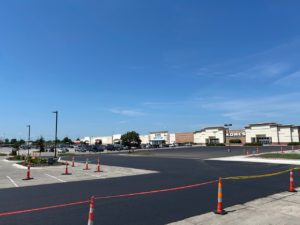
Kohls 301 Shawnee Asphalt 5If you own or manage a property in Riverside, MO—whether it’s near the bustling shops along Gateway Avenue or a quieter stretch off Vivion Road—keeping your pavement in good condition is essential. But not every crack or pothole means you need to start over from scratch.
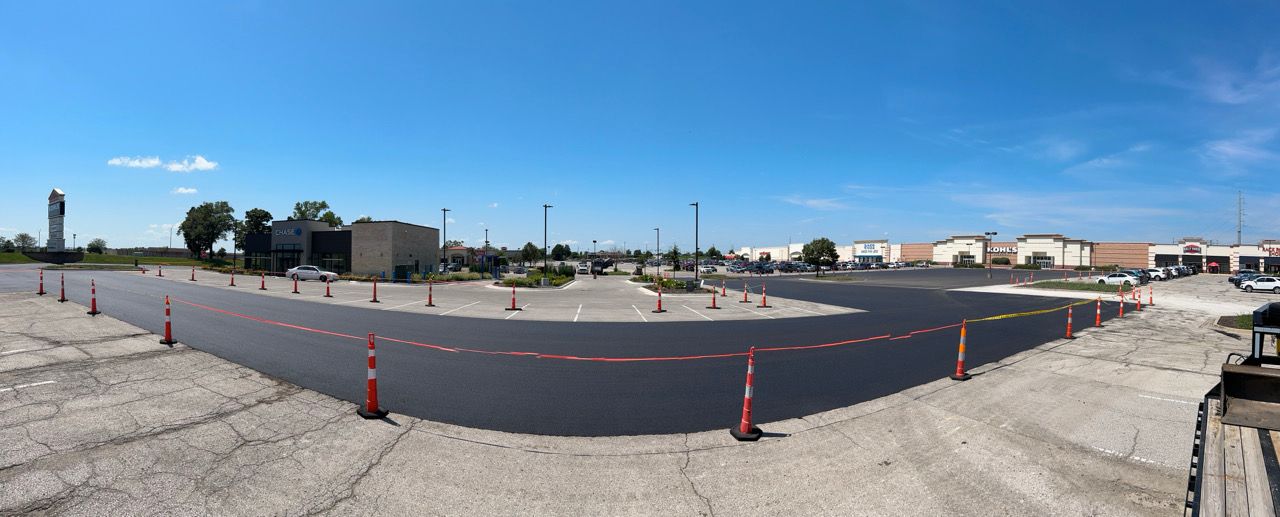
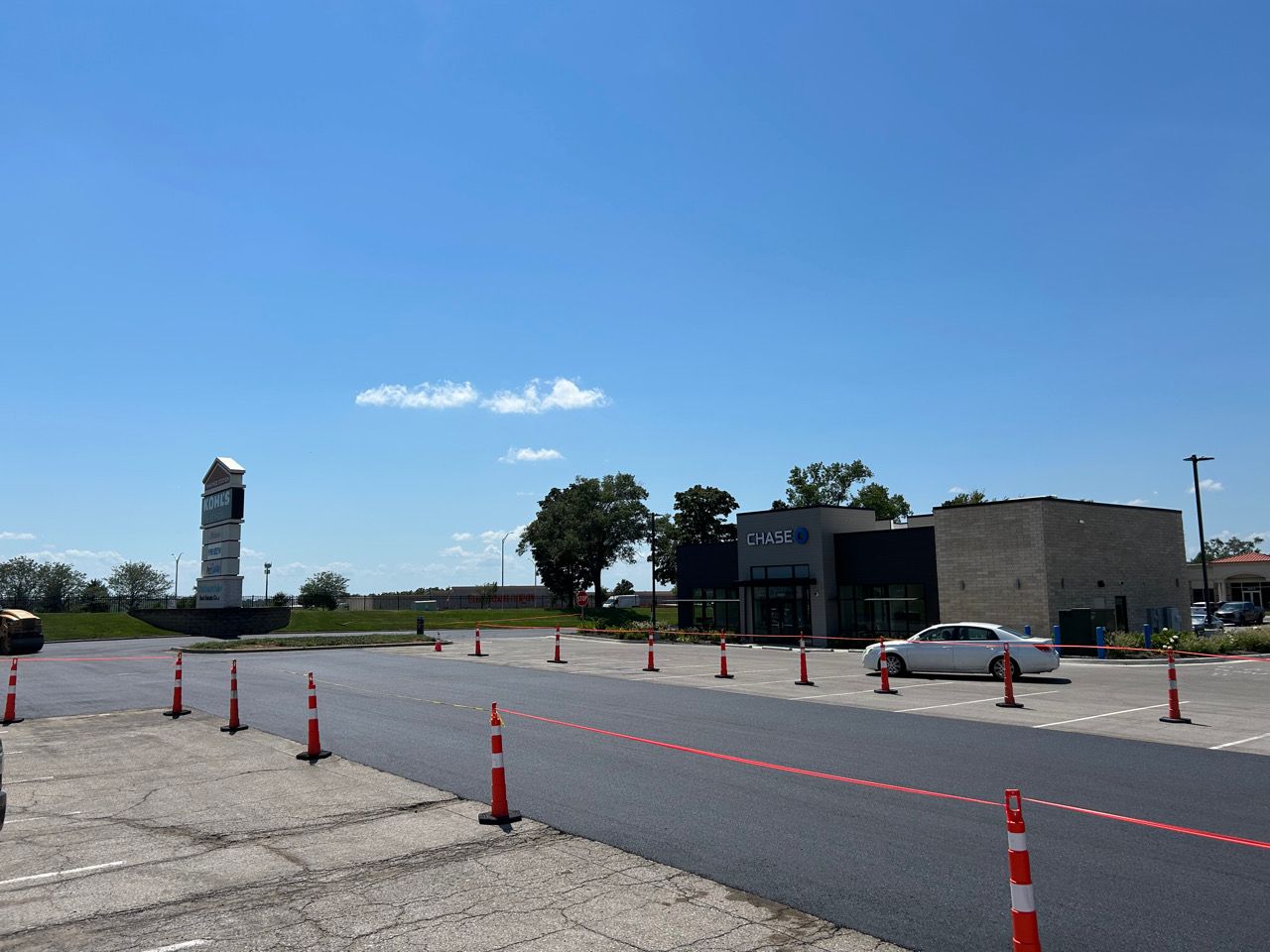
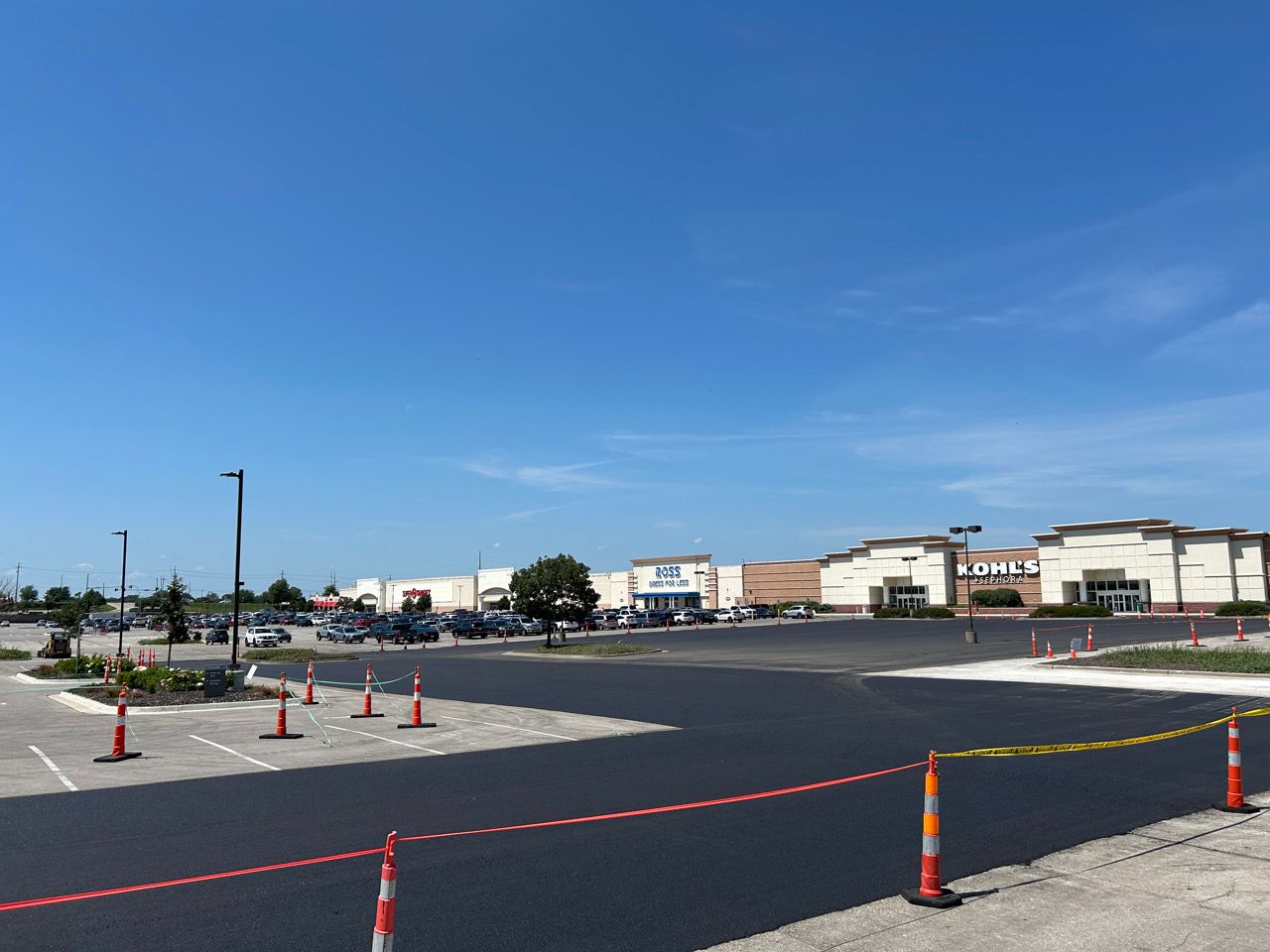
In many cases, asphalt resurfacing is the smarter, more cost-effective solution compared to full replacement. Below, we’ll break down how to identify if your pavement is a good candidate for resurfacing and what you should do next if it is.

Key Takeaways

  • Surface cracks, repeated repairs, or minor drainage issues may mean your Riverside pavement is ready for resurfacing.
  • Asphalt between 10 and 15 years old often shows wear that resurfacing can fix before major damage happens.
  • A proper resurfacing plan in Riverside includes inspection, drainage checks, traffic flow needs, and site-specific details.
  • Good timing and routine maintenance help your new asphalt surface last longer in Riverside’s changing weather.

The Pavement Has Widespread Surface Cracking, but the Base Is Stable

In Riverside, we often see surface cracking caused by the freeze-thaw cycles common along the Missouri River.

If the cracks cover a large area but the pavement isn’t crumbling or shifting under pressure, asphalt resurfacing is likely the right call. We’ve worked on lots near Renner-Brenner Park and around the Riverside Police Department, where the surface looked rough, but the sub-base was still solid—perfect conditions for an overlay.

You’ve Had Routine Maintenance, but Damage Keeps Returning

If your parking lot near the Horizons Business Park or driveway off NW Platte Road has been sealcoated and patched repeatedly, yet issues keep resurfacing, it may be time for a more permanent fix.

When asphalt starts to degrade faster than maintenance solutions can keep up, resurfacing can restore both appearance and structural integrity without the cost of full replacement.

The Pavement Is Between 10 to 15 Years Old and Starting to Show Wear

Most asphalt surfaces in Riverside last about 15 years, depending on traffic, weather, and upkeep. If your pavement near the Argosy Casino or the Riverside Red X has reached that age and is starting to look rough—faded lines, shallow ruts, or minor depressions—it may be a good time to consider resurfacing.

The key is acting before deeper structural issues develop.

There are Minor Rutting or Drainage Problems, but No Base Failure

We often see mild drainage issues on older commercial lots in areas like Riverway Boulevard.

If standing water is pooling due to shallow depressions, but there are no signs of sub-base shifting or alligator cracking, resurfacing can correct the grade and improve water runoff. The new layer can be sloped correctly to prevent future water damage.

You’re Prepping for a Property Upgrade or Repurposing

When clients in Riverside are preparing to upgrade their storefronts, convert old warehouses, or spruce up rental properties, resurfacing often makes sense. A clean, smooth surface improves curb appeal and tenant satisfaction.

We’ve resurfaced several lots in the industrial corridor near I-635 to support redevelopment efforts, helping clients add value without overbuilding.

What to Do Next if Resurfacing Sounds Like the Right Fit

Once you spot the signs that suggest resurfacing might be the right move, it’s important to act quickly and correctly. Here’s how we guide Riverside property owners through the next steps.

Schedule a Professional Pavement Evaluation

The first step is always a thorough inspection.

At Gann Asphalt & Concrete, Inc., we assess pavement across Riverside—from commercial lots near Englewood Road to residential driveways near West Platte Drive. Our team checks for sub-base stability, drainage patterns, and crack depth using industry-standard tools.

A professional evaluation ensures we’re not just treating symptoms but addressing root causes.

Get a Resurfacing Plan Tailored to Your Site’s Use and Layout

Every property has different traffic patterns, load requirements, and environmental exposure.

A school parking lot off Vivion Road sees different wear than a delivery-heavy site along NW Gateway. That’s why we tailor each resurfacing plan based on how your space is used, factoring in everything from turning radii for trucks to ADA compliance and striping layout.

Address Underlying Drainage Issues During the Resurfacing Process

In Riverside, poorly managed water is one of the biggest reasons asphalt fails early. If our assessment uncovers drainage concerns, we include solutions—like regrading or adding catch basins—in the resurfacing plan.

We’ve helped businesses near the Riverside Fire Department prevent recurring puddling by correcting slope and runoff issues during overlay work.

Schedule Work During Low-Traffic Periods to Minimize Disruption

For many of our commercial clients in Riverside, timing is everything. We work with you to schedule resurfacing during off-hours, weekends, or seasonal lulls to reduce business disruption.

For example, we’ve completed projects for retailers near the River North Shopping Center overnight to keep foot traffic flowing during peak hours.

Plan for Long-Term Upkeep After Resurfacing

Once resurfacing is done, you’ll want to protect your investment.

We advise clients on scheduling future sealcoating, regular crack filling, and traffic flow adjustments. In Riverside’s varied climate—where snow in winter and heat in summer both take a toll—routine maintenance extends the life of your new surface significantly.

Bring New Life to Your Pavement with a Resurfacing Plan That Works

Let’s take a look at your lot, street, or driveway and give you honest feedback on the best path forward. From the neighborhoods near Vivion Lake Park to commercial corridors along I-635, we know how local traffic, soil conditions, and weather impact your pavement—and we build with that in mind.

Ready to see if resurfacing is the right choice for your property?

Contact us today to schedule a pavement evaluation or request a customized resurfacing quote.

Frequently Asked Questions

How long does asphalt resurfacing take for an average commercial lot in Riverside?

Most resurfacing projects in Riverside take one to three days. We work efficiently and plan around business hours to minimize downtime for retail centers, office parks, and industrial lots.

Can resurfacing fix potholes or deeper structural damage in the asphalt?

Resurfacing cannot repair potholes or structural damage. We first complete full-depth patching or base repair before applying a new asphalt layer to ensure a strong, even surface.

Does resurfacing require permits or city approvals in Riverside, MO?

Some resurfacing projects need permits, especially for commercial or public access areas. We handle permit coordination with the City of Riverside to ensure everything is compliant and ready to proceed.

Will resurfacing include repainting stripes, ADA spaces, or directional markings?

Yes, we repaint all parking lot markings after resurfacing. This includes striping, ADA stalls, arrows, and other required signage based on Riverside municipal codes and your lot’s layout.

How We Rebuilt a Busy Kohl’s Parking Lot — Without Closing the Store

A full parking lot renovation at a busy retail store might sound like a logistical nightmare — but with the right planning, equipment, and crew, it doesn’t have to be. That was exactly the case with our recent project at Kohl’s in Shawnee, KS.

At Gann Asphalt & Concrete, Inc., we know that timing and coordination are everything when it comes to commercial sites that stay open during construction.

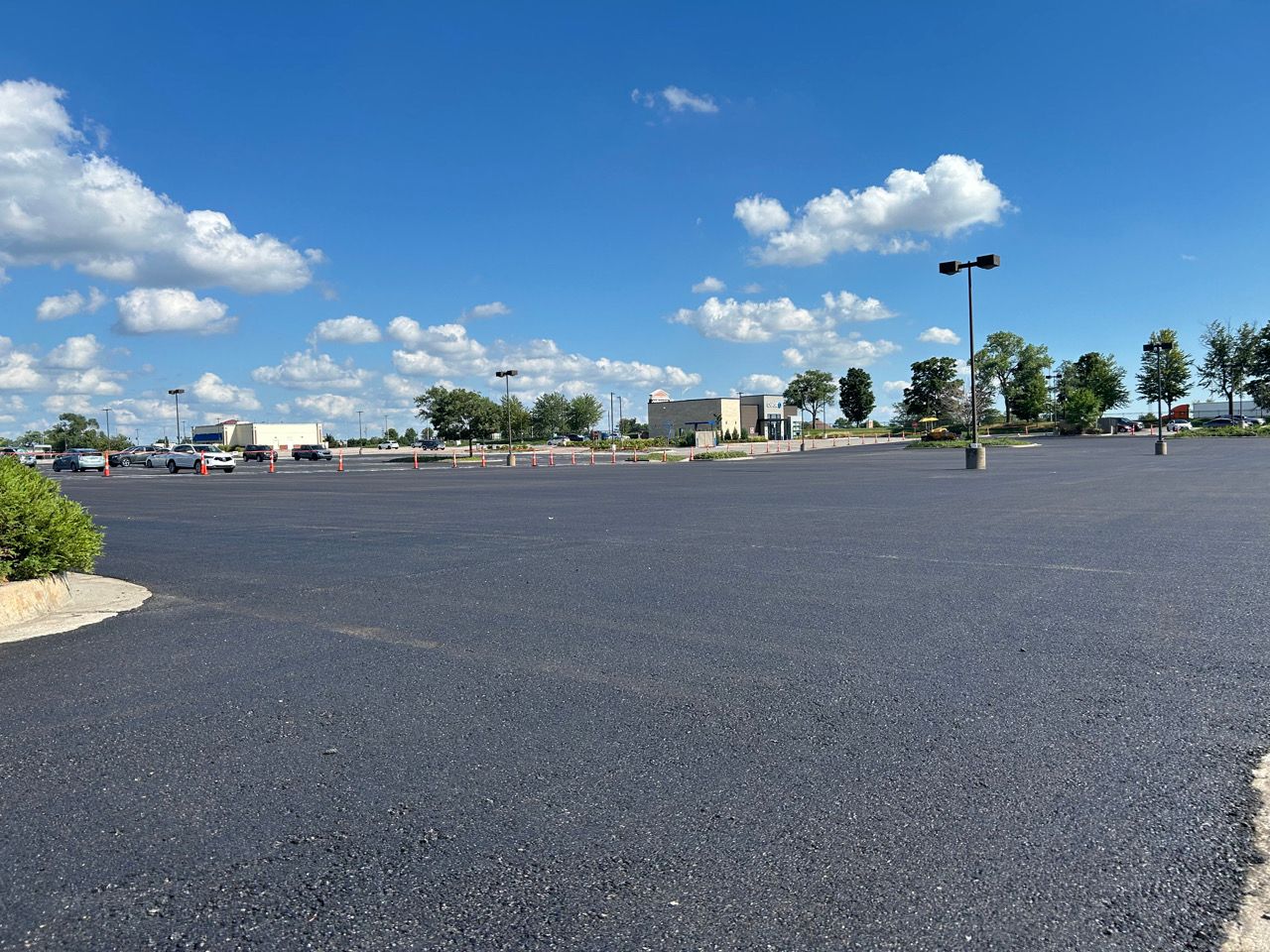
This project required us to dig deep into our playbook to deliver fresh asphalt, ADA-compliant concrete walkways, and enhanced drainage — all while Kohl’s kept serving hundreds of customers a day.

Here’s how we made it happen.

A Retail Lot in Motion

The Kohl’s in Shawnee isn’t tucked away in a quiet corner. It’s part of one of the busiest shopping hubs in the area. That meant we couldn’t approach this like a standard asphalt paving job. Safety, access, and schedule all had to be tightly controlled.

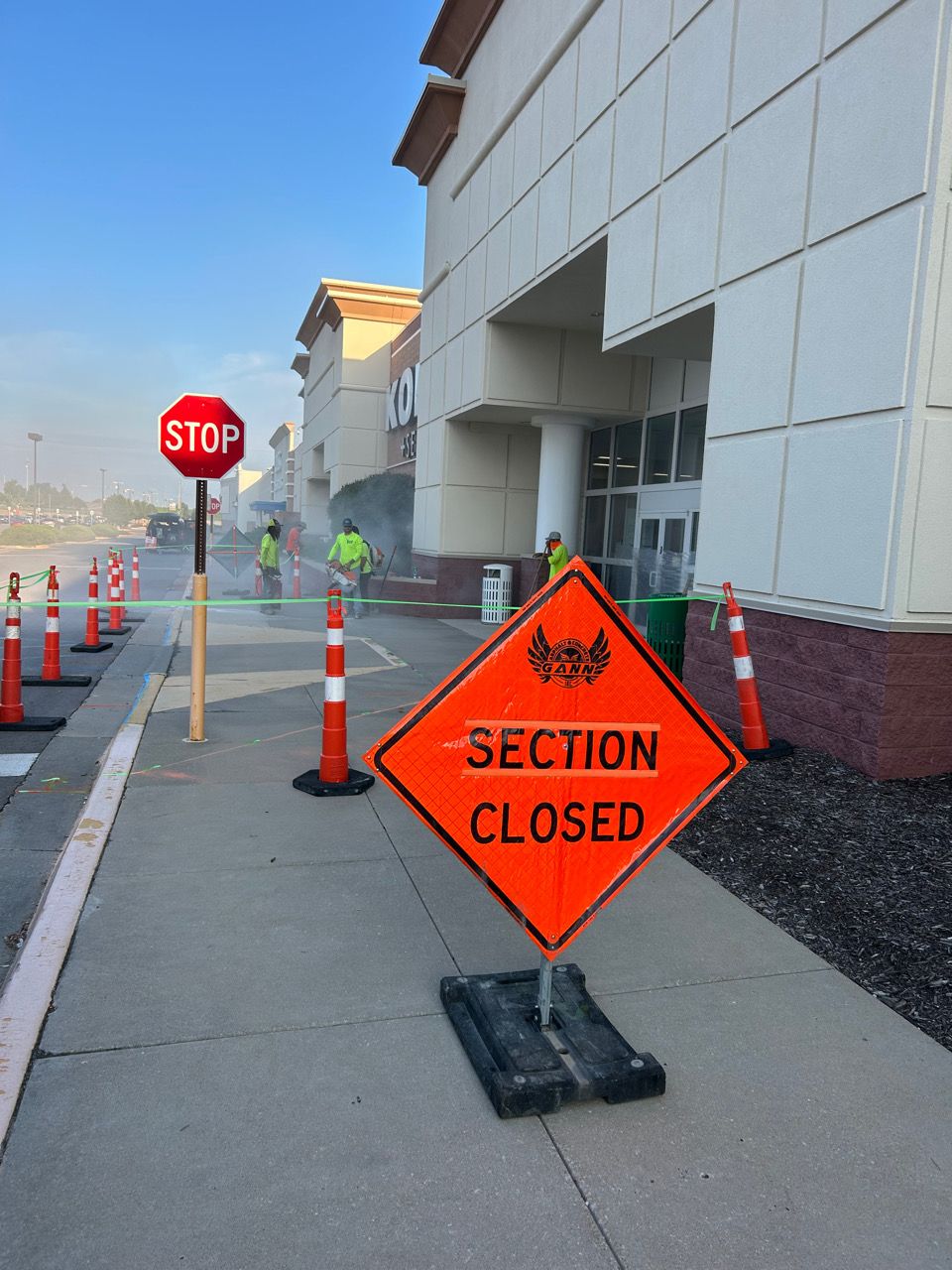
To start, we mapped out the entire site and broke it into zones. We worked section by section, using strategic closures and clear signage to keep foot and vehicle traffic flowing safely around active work areas.

You might’ve seen our “Section Closed” signs out front — part of our effort to create clear, professional detours for shoppers.

Asphalt, Concrete, and Careful Coordination

This wasn’t just an asphalt resurfacing job. The pavement had aged unevenly, so our approach had to be customized for each section:

  • Base Mill & Overlay: In high-traffic zones where the pavement was failing at its core, we milled down to the base and rebuilt with new asphalt. This gave the lot strength where it needed it most.
  • Standard Mill & Overlay: For areas that held up structurally, we milled just the top layer and installed a fresh asphalt surface — cost-effective and less intrusive.
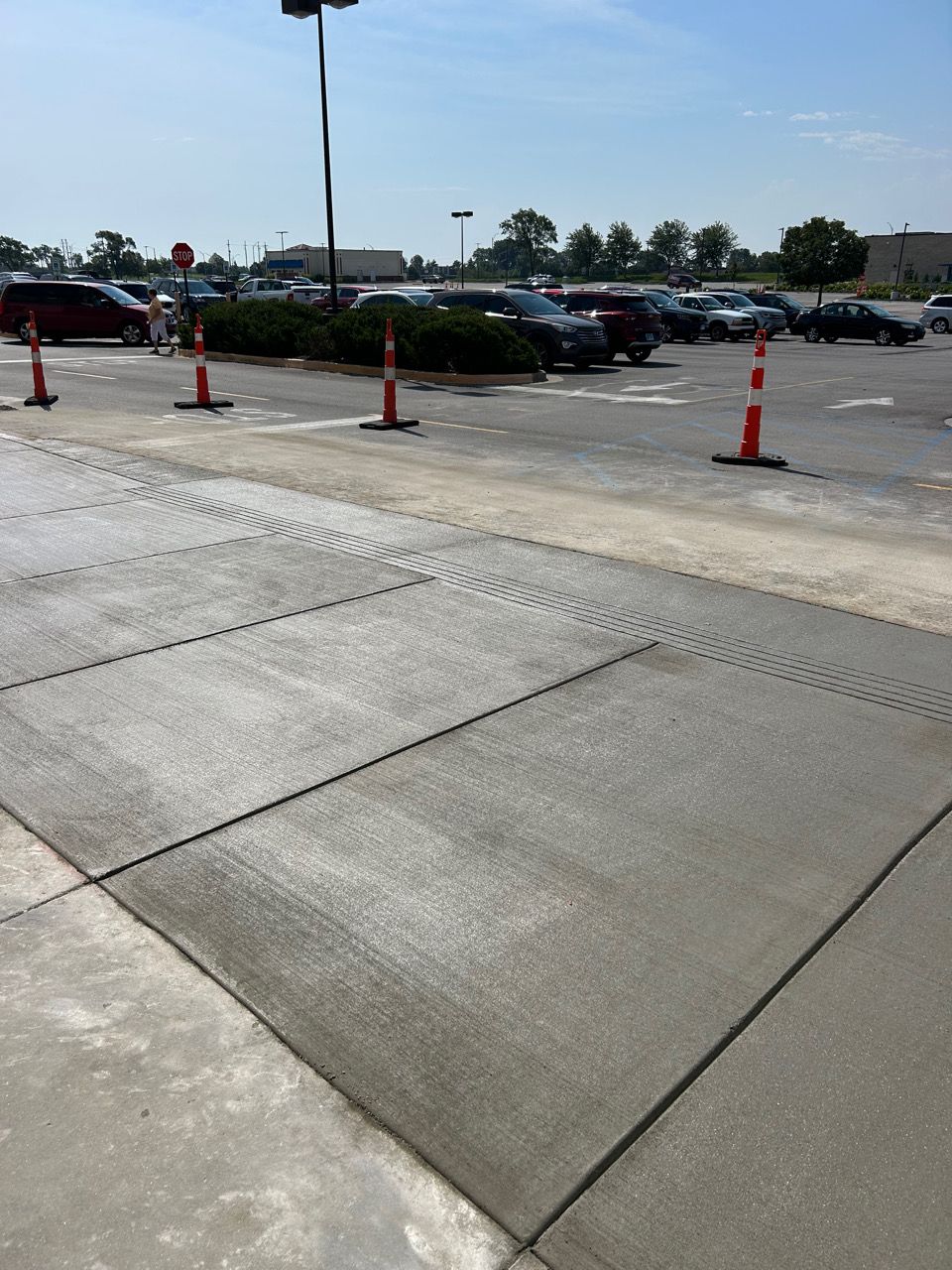
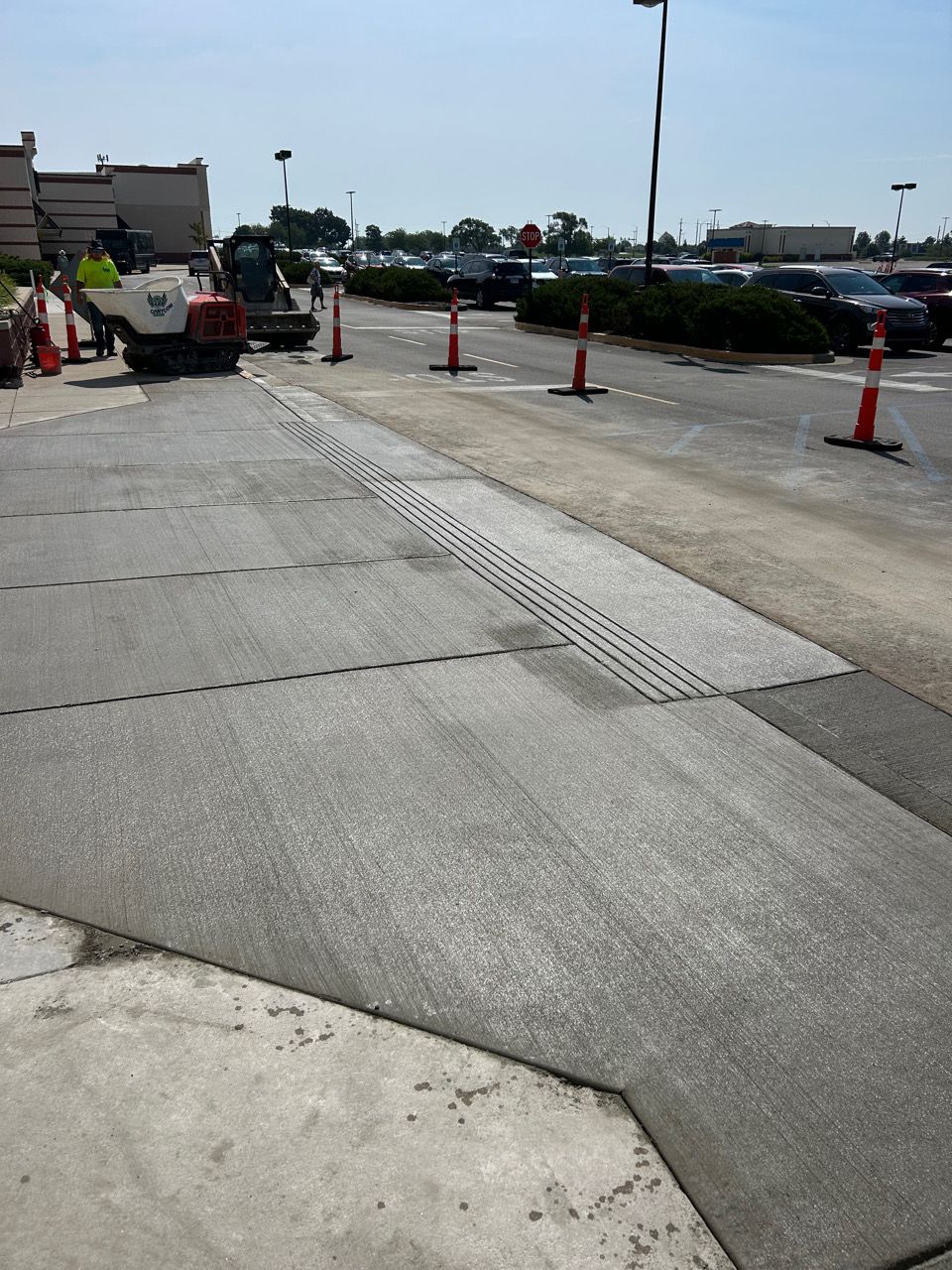
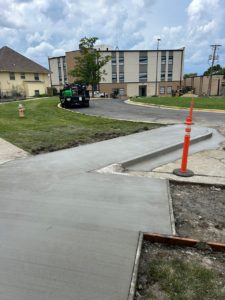
  • Concrete Walkway Replacement: We removed and replaced aging sidewalks that no longer met safety or ADA standards. That included correcting slopes and adding detectable warning strips — those textured surfaces that help visually impaired pedestrians navigate safely.
  • Curb & Gutter Upgrades: We installed new curbs and improved drainage flow to protect the fresh pavement from future water damage.

Keeping Business Running — and Customers Safe

What really set this job apart was the behind-the-scenes coordination. We worked closely with Kohl’s management to schedule high-impact phases during off-peak hours and ensured all delivery routes, fire lanes, and main entrances remained accessible.

Our crews set up barriers, safety fencing, and directional signage to guide shoppers around the work, making sure the site looked as clean and controlled as it did under construction, as it does now, finished.

A Clean Finish — and a Clear Upgrade

By the time the job wrapped, the results spoke for themselves:

  • A smooth, durable asphalt lot with clear traffic flow
  • New concrete walkways that are safer, more accessible, and fully ADA-compliant
  • Rebuilt curbs and upgraded stormwater drainage to protect the pavement investment
  • No major disruption to the customer experience

Retail parking lots take a beating — but with the right planning and execution, they don’t have to show it.

Commercial Lot Due for an Upgrade?

If your retail property in Shawnee — or anywhere in the Kansas City metro — needs pavement refresh, concrete, and asphalt services but can’t afford a full closure, let’s talk. We’ve got the team, tools, and strategy to get it done right the first time — without interrupting your business.

Reach out to us today to schedule a site walkthrough and customized game plan.

Should You Use Cold Patch or Hot Asphalt for Pothole Repair?

Our Lady Concrete Pic 1In Riverside, MO, potholes are a year-round battle thanks to our Midwest freeze-thaw cycles, fluctuating riverfront moisture, and heavy local traffic, especially around areas like Gateway Avenue and NW Platte Road.
As a property owner or manager, choosing between cold patch and hot asphalt is about choosing the right solution for your timing, traffic flow, and long-term budget. At Gann Asphalt & Concrete, Inc., we get this question all the time: “What’s the best fix for this pothole?

The truth is, the answer depends on when and where you’re repairing, how long you need it to last, and what kind of performance you’re expecting.

Here’s how we help property owners and facility managers in Riverside decide when cold patch works—and when it’s time to go with a hot asphalt repair.

Key Takeaways

  • Cold patch works well during winter, emergencies, or off-season repairs across Riverside when speed and convenience are top priorities.
  • Hot asphalt is better for long-term durability in busy areas, warm months, or when subgrade failure is a concern.
  • Local roads, parking lots, and HOAs in Riverside benefit from hot mix when appearance, liability, and safety really matter.
  • Gann Asphalt & Concrete provides Riverside property owners with honest guidance and full-service repairs using cold patch or hot mix.

When Cold Patch Asphalt Makes Sense in Riverside

Cold patch asphalt isn’t meant to be a permanent maintenance solution. But in the right conditions, it’s the smartest way to keep roads and lots safe without delay. Here are a few situations where using it makes the most sense based on what we see around town.

Temporary Fixes During Freeze-Thaw Cycles

In Riverside, our winters can swing wildly between freezing nights and 50-degree afternoons, especially in late January and early March. These freeze-thaw cycles wreak havoc on asphalt, especially along roads like Vivion Road, where water runoff and overnight ice contribute to rapid pothole formation.

When it’s too cold for hot mix plants to operate—or too unpredictable to schedule large-scale work—cold patch gives us a safe, fast way to temporarily fill potholes and protect vehicles and pedestrians. It’s a stopgap, not a long-term solution, but it keeps roads safe until full-depth asphalt repairs can be done.

Emergency Patches in High-Traffic Zones

When a pothole opens up near commercial zones like Riverside Landing or along NW Platte Road, waiting days or weeks for the perfect weather window isn’t an option. Cold patch is ideal for urgent repairs that need to happen same-day, especially in areas where customer access, delivery truck traffic, or employee safety is at risk.

We can be on-site quickly, apply a durable cold mix, and get traffic flowing again without shutting down access for long periods.

Limited Access or Low-Traffic Areas in the Off-Season

If you’re dealing with potholes in the back lots of industrial properties along Horizon Parkway or in service lanes behind small businesses near the Missouri Riverfront, a cold patch may be your best bet during the off-season. These areas often don’t justify the cost or coordination required for hot asphalt repair during cooler months.

Cold patch gives you a reliable repair that can hold up for several months, buying you time to schedule more permanent work in the spring or summer.

Budget-Conscious Repairs for Seasonal Planning

We work with many facility managers in Riverside who are balancing tight budgets at the end of the fiscal year. A cold patch is an affordable way to tackle urgent problem spots before winter or while waiting for full budget approval.

It’s not uncommon for schools, like those within the North Kansas City School District serving Riverside students, to request temporary asphalt patches in bus loops or parking lots to get through the school year.

Come summer, we revisit those areas for more durable hot mix applications.

When Hot Asphalt Is the Better Long-Term Solution

While cold patch has its place, hot mix asphalt remains the gold standard for lasting pothole repairs. When conditions and budget allow, here’s when we recommend hot asphalt for Riverside properties.

Repairs on Primary Access Roads and Parking Lots

In high-traffic zones like the main entrances to Riverside’s industrial parks or retail complexes near NW Gateway Avenue, you need a fix that lasts. Hot mix asphalt bonds directly with the surrounding pavement, creating a smoother, more permanent patch.

Unlike a cold patch, it won’t break loose under repeated wheel loads or deteriorate with temperature shifts.

For these high-visibility, high-wear areas, hot asphalt is worth the upfront investment.

Spring and Summer Repairs With Long-Term ROI

Come late April through October, asphalt plants around the Kansas City metro—including suppliers near Riverside—are fully operational, and weather conditions are ideal for long-lasting pavement work.

This is the perfect time for permanent pothole repairs using hot mix asphalt.

If you’re managing a property on Vivion Road or any of the service lanes near the riverfront trail, this is when we recommend scheduling your big repairs to maximize value and minimize repeat maintenance.

Potholes Caused by Subgrade Failure

We often see potholes in Riverside caused not just by surface wear, but by underlying base failure—especially in older lots or where water runoff from the Missouri River has compromised the subgrade. These types of repairs require a more invasive fix.

We’ll typically saw-cut the area, remove unstable base material, and install a hot mix asphalt patch over a properly compacted foundation.

A cold patch simply can’t address this type of structural issue.

Permanent Municipal or HOA Projects

Whether it’s a city-owned facility near Riverside City Hall or a homeowner association off NW Riverway Lane, permanent infrastructure calls for a repair method that holds up under time, weather, and legal liability.

Hot asphalt provides a higher-quality finish that not only looks better but also reduces trip hazards and liability concerns. For municipalities or HOAs focused on long-term asset management, hot mix is the clear winner.

Need a Reliable Fix for Potholes in Riverside?

If you’re dealing with potholes on your Riverside property, putting off repairs can lead to worse damage, safety concerns, and higher costs down the line.

At Gann Asphalt & Concrete, Inc., we help property managers, business owners, and municipal leaders make the right repair choice based on location, weather, traffic levels, and long-term goals. Whether you’re patching emergency damage near NW Platte Road or planning summer resurfacing for a retail lot near Gateway Avenue, we’ve got you covered.

We offer both cold patch and hot asphalt repair, and we’ll give you an honest recommendation based on what’s best for your pavement and your budget. Contact us today to schedule an on-site assessment or request a quote.

Frequently Asked Questions

How long does a typical pothole repair take to complete?

Most pothole repairs take one to four hours, depending on the size, depth, and location. We schedule efficiently to reduce disruption and keep your Riverside property open for business or daily use.

Can you help with recurring potholes in the same location every year?

Yes, recurring potholes often point to base or drainage issues. We offer full-depth asphalt repair and drainage correction to resolve the cause, not just the surface damage, and extend pavement life.

Do you repair both residential and commercial asphalt in Riverside?

We service residential driveways, commercial parking lots, and industrial sites across Riverside. Our team customizes each repair based on traffic load, surface wear, and the specific goals of the property owner.

Can pothole repair be scheduled with other asphalt services?

Yes, we often combine pothole repairs with crack sealing, sealcoating, or milling to reduce long-term costs and disruption. We’ll coordinate services based on your budget, timing, and property use.

How Parking Lot Maintenance Boosts Safety for Customers and Employees

Our Lady Asphalt Pic 2A well-maintained parking lot does more than make a business look professional.
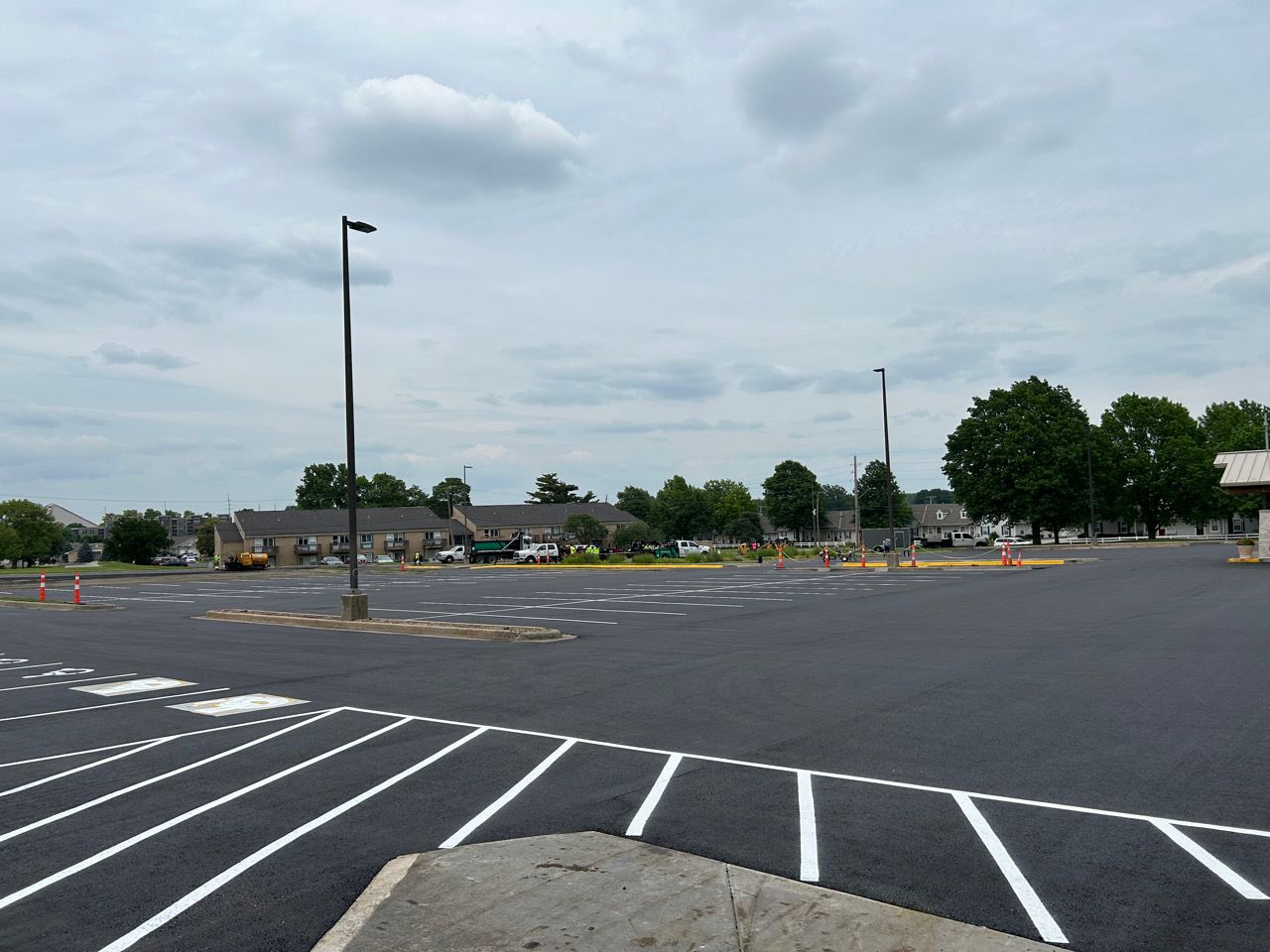
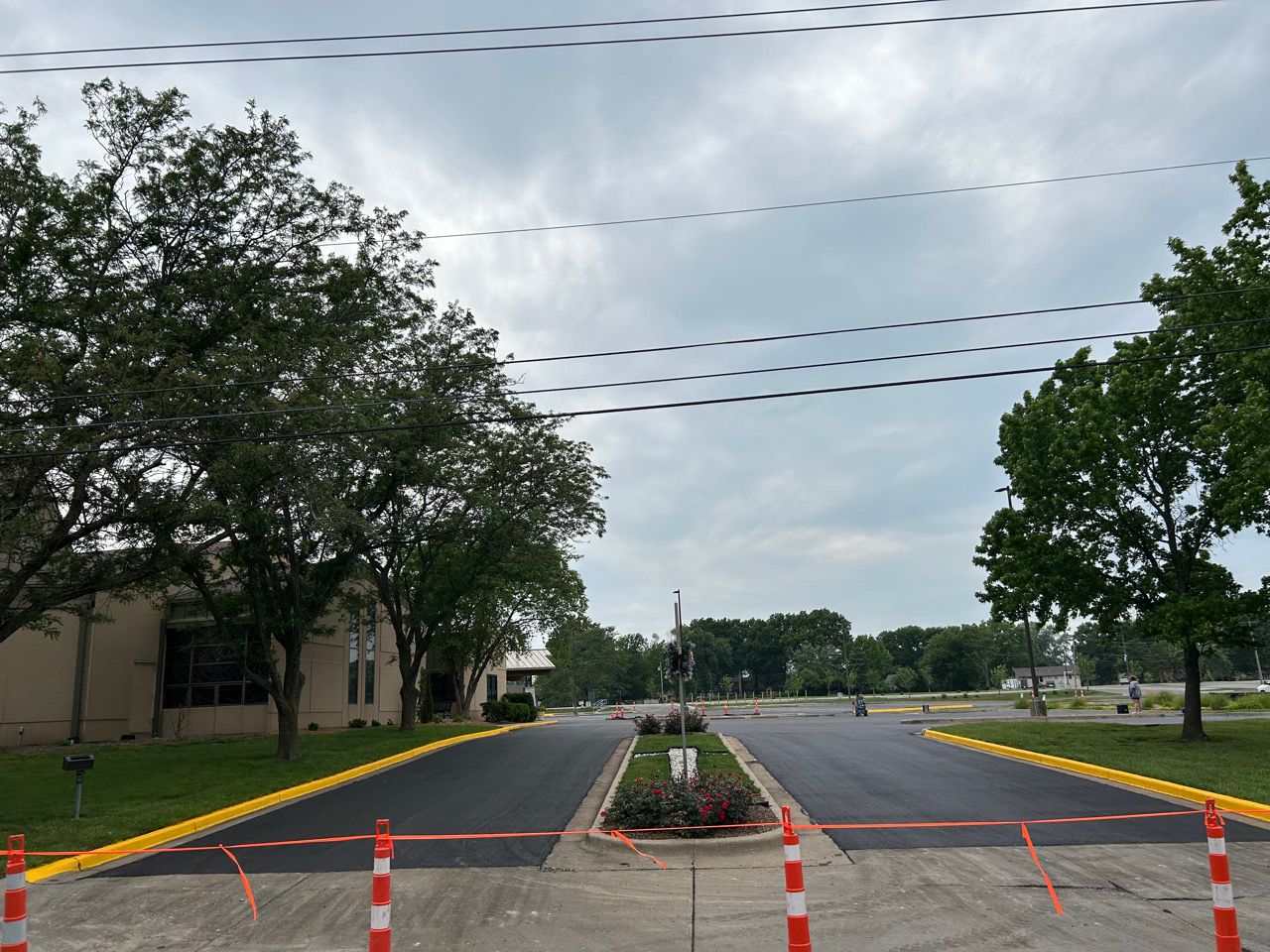
It plays a big role in keeping people safe.

In a city like Riverside, MO, where daily traffic flows in and out of local businesses along NW Gateway Avenue and across neighborhoods like Platte Brooke North and Briarcliff West, safety in commercial spaces starts from the ground up.

Cracked pavement, worn striping, and hidden potholes are hazards that can lead to injuries, vehicle damage, and even lawsuits. Below, we break down how this service makes a real difference for both your customers and your employees right here in the Northland.

Key Takeaways

  • A safe parking lot in Riverside protects customers and employees while showing businesses care about their local community.
  • Smooth pavement, visible striping, and working drainage help prevent trips, car accidents, and water hazards during busy days.
  • Good lighting, snow clearing, and seasonal upkeep improve safety at night and during winter across Riverside business lots.
  • Regular inspections and early repairs save money, while Gann Asphalt & Concrete keeps Riverside parking lots safe year-round.

Smooth Surfaces Reduce Trip-And-Fall Injuries in High-Foot-Traffic Zones

In busy areas like the Riverside Red X shopping center or near local landmarks like E.H. Young Riverfront Park, pedestrian traffic is constant. Cracked asphalt, sunken patches, or uneven transitions from the parking lot to the sidewalk can easily become tripping hazards.

Regular maintenance—such as patching potholes and filling cracks—keeps walkways level and smooth. This not only lowers the risk of falls but also demonstrates that your business cares about its customers’ and employees’ well-being.

Clear Striping Improves Visibility and Guides Safe Movement

Faded parking lines, especially in older lots near Riverway Boulevard or in industrial zones off Mattox Road, create confusion for both drivers and pedestrians.

Without clearly marked stalls, fire lanes, and crosswalks, customers may park erratically, or pedestrians may walk in active traffic zones.

Restriping ensures that everyone knows where they should be—whether it’s a family unloading kids or a delivery truck backing in. It also helps meet ADA compliance, keeping Riverside businesses aligned with Missouri accessibility regulations.

Drainage Maintenance Prevents Water Pooling and Hydroplaning

In Riverside’s humid summers and stormy springs, clogged drains and poor slope design can lead to standing water in parking lots. When rainwater pools near entrances or drive lanes, it becomes a slipping hazard for people and a hydroplaning risk for vehicles.

Maintaining your lot’s drainage systems and grading helps water flow properly—even during those sudden downpours we often see along the Missouri River basin.

It’s an easy fix that can prevent expensive liability claims.

Lighting Upgrades Increase Nighttime Safety and Reduce Crime Risk

Many Riverside businesses, especially those operating late hours near Vivion Road or along NW Platte Road, depend on good visibility after dark.

A cracked or neglected lot with broken lighting creates shadows and blind spots that increase the risk of trips, falls, or even theft. Maintaining your lot includes ensuring that lighting poles are stable and fixtures are functioning.

Adding or upgrading LED lights not only boosts visibility but also deters crime—a safer space for employees walking to their cars after closing shifts.

Snow and Ice Removal Keeps Surfaces Safe During Riverside Winters

While Riverside doesn’t get the same snow volume as northern Missouri, we still see enough freezing rain and winter precipitation to make untreated lots dangerous. When black ice forms in dips or unplowed snow piles up near walkways, injuries are almost inevitable.

Parking lot maintenance includes seasonal preparation—like sealcoating to protect against freeze-thaw cycles and scheduled snow removal for business lots near Park Hill schools or Riverside City Hall.

These efforts help prevent injuries before they happen.

Regular Inspections Catch Small Problems Before They Become Big Liabilities

Like most things, your parking lot won’t fix itself.

Small cracks from summer heat or minor shifts in the pavement due to Riverside’s soil movement can quickly turn into major issues if left unchecked.

Routine inspections help catch early signs of wear, especially in older lots near commercial properties dating back to the early development of Riverside. Early asphalt repairs not only save money but also show your commitment to safety and professionalism.

Make Your Parking Lot a Safer Place—Starting Today

Safety starts before anyone walks through your door. If your parking lot is cracked, poorly marked, or draining water where it shouldn’t, it’s time to act before someone gets hurt.

At Gann Asphalt & Concrete, Inc., we help Riverside businesses take a proactive approach to safety with expert parking lot maintenance. Whether you’re located near the bustling retail zones of NW Gateway Avenue or the quieter office parks along Horizons Parkway, we offer services that keep your lot clean, level, visible, and ready for every season.

Let us take the hassle off your plate.

Call us today to schedule an inspection or request a quote.

Frequently Asked Questions

How often should a parking lot in Riverside be sealcoated?

Parking lots in Riverside typically need sealcoating every two to three years. This service protects pavement from heavy traffic, weather damage, and chemical spills while extending its lifespan and saving businesses from higher repair expenses.

Can parking lot maintenance reduce liability insurance costs?

Insurance companies often recognize well-maintained lots as safer and lower risk. Services like crack sealing, pothole repairs, and restriping can help Riverside businesses reduce claims, which may lead to better insurance premiums and fewer liability concerns.

What materials work best for durable parking lots in Riverside?

Both asphalt and concrete are strong options depending on business needs. Asphalt works well for flexibility with Missouri’s changing temperatures, while concrete offers long-term durability for high-traffic commercial sites like shopping areas and industrial complexes.

Do you offer parking lot maintenance during business hours?

Yes, services can be scheduled for evenings or weekends. Many Riverside businesses request flexible maintenance like striping, sealing, or patching after hours to avoid disruptions to customer access and employee parking areas.

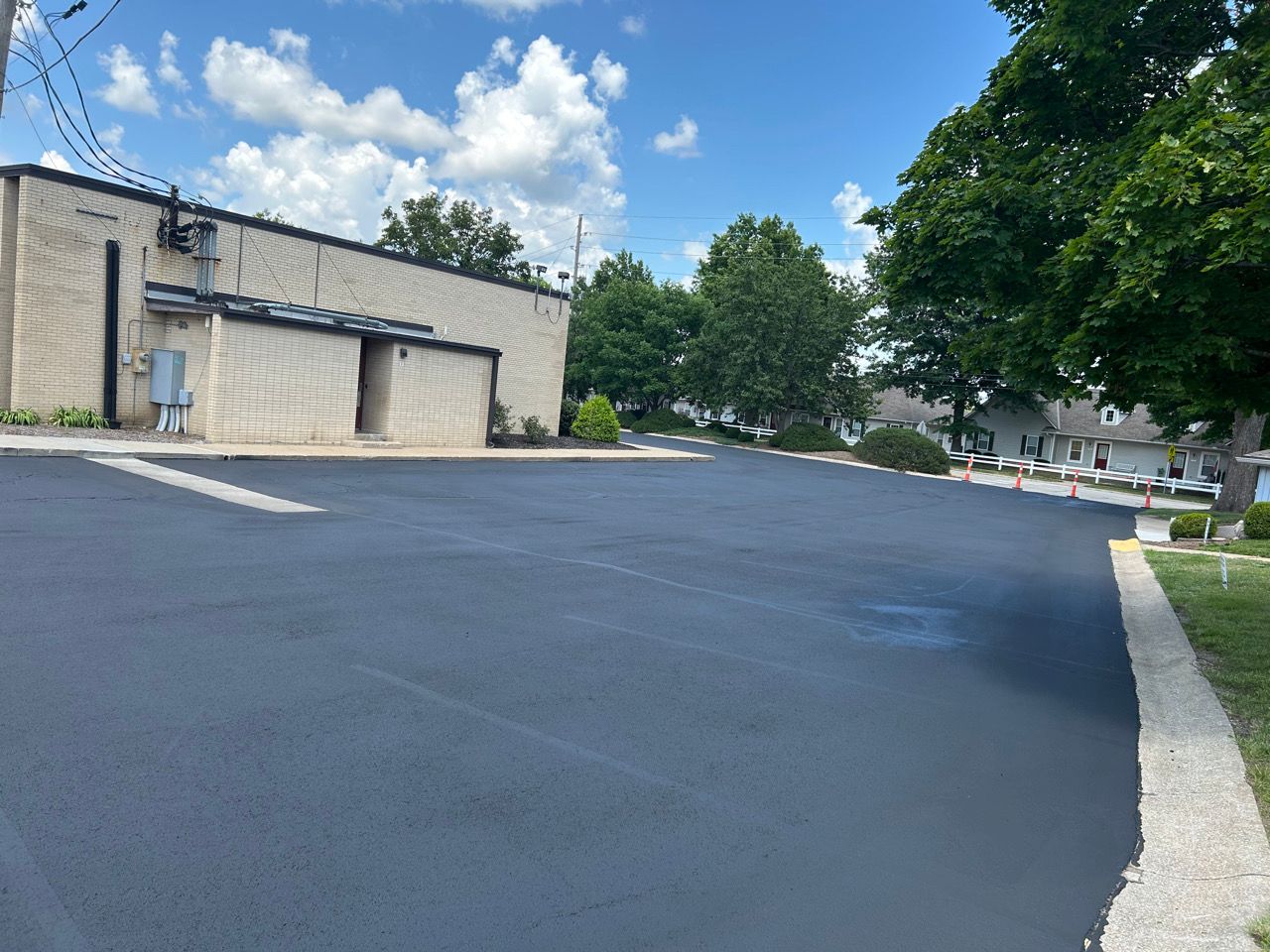
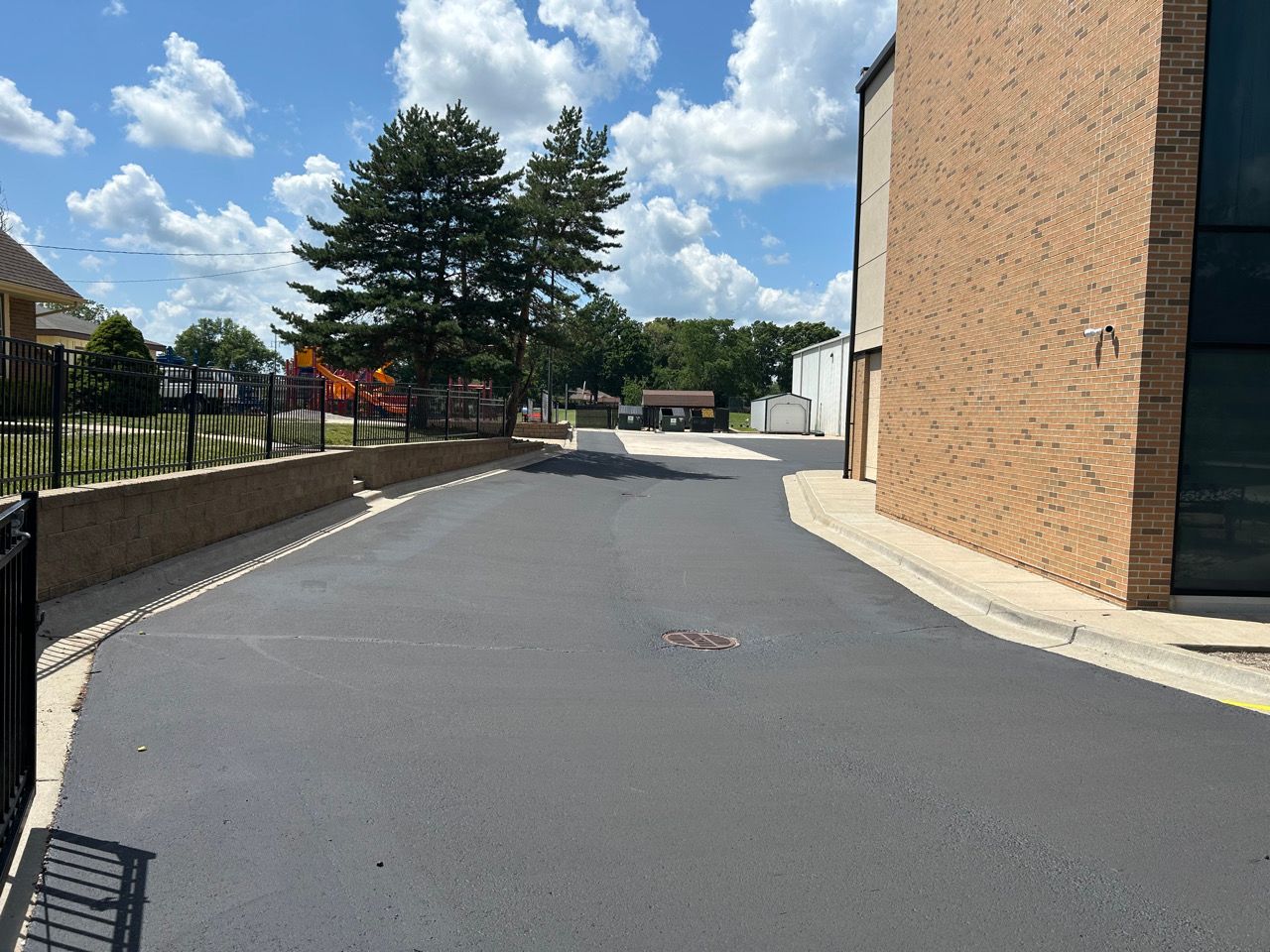
How We Transformed an Entire Church Campus—One Lot, Pad, and Walkway at a Time

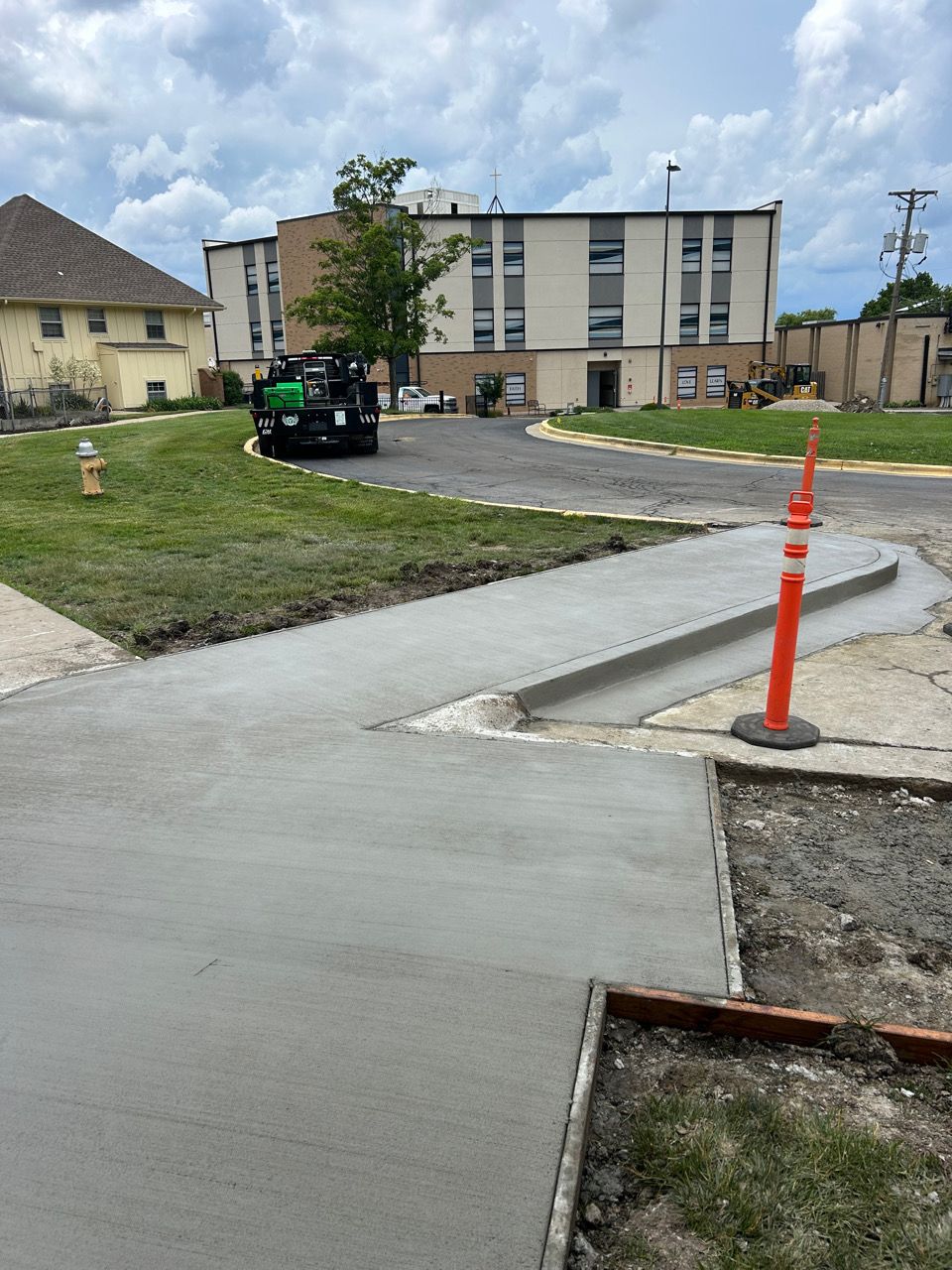
At Our Lady of the Presentation Catholic Church in Lee’s Summit, the grounds are more than parking spaces and sidewalks—they’re where families gather, children play, and the community comes together.

When the church reached out about their aging pavement and concrete, they weren’t just asking for asphalt repairs. They wanted a campus that looked clean, felt safe, and could stand up to years of daily use.

At Gann Asphalt & Concrete, Inc., we were ready to make it happen—with a careful, phased plan that touched every corner of the property.

Step 1: Restoring Strength to the North Parking Lot

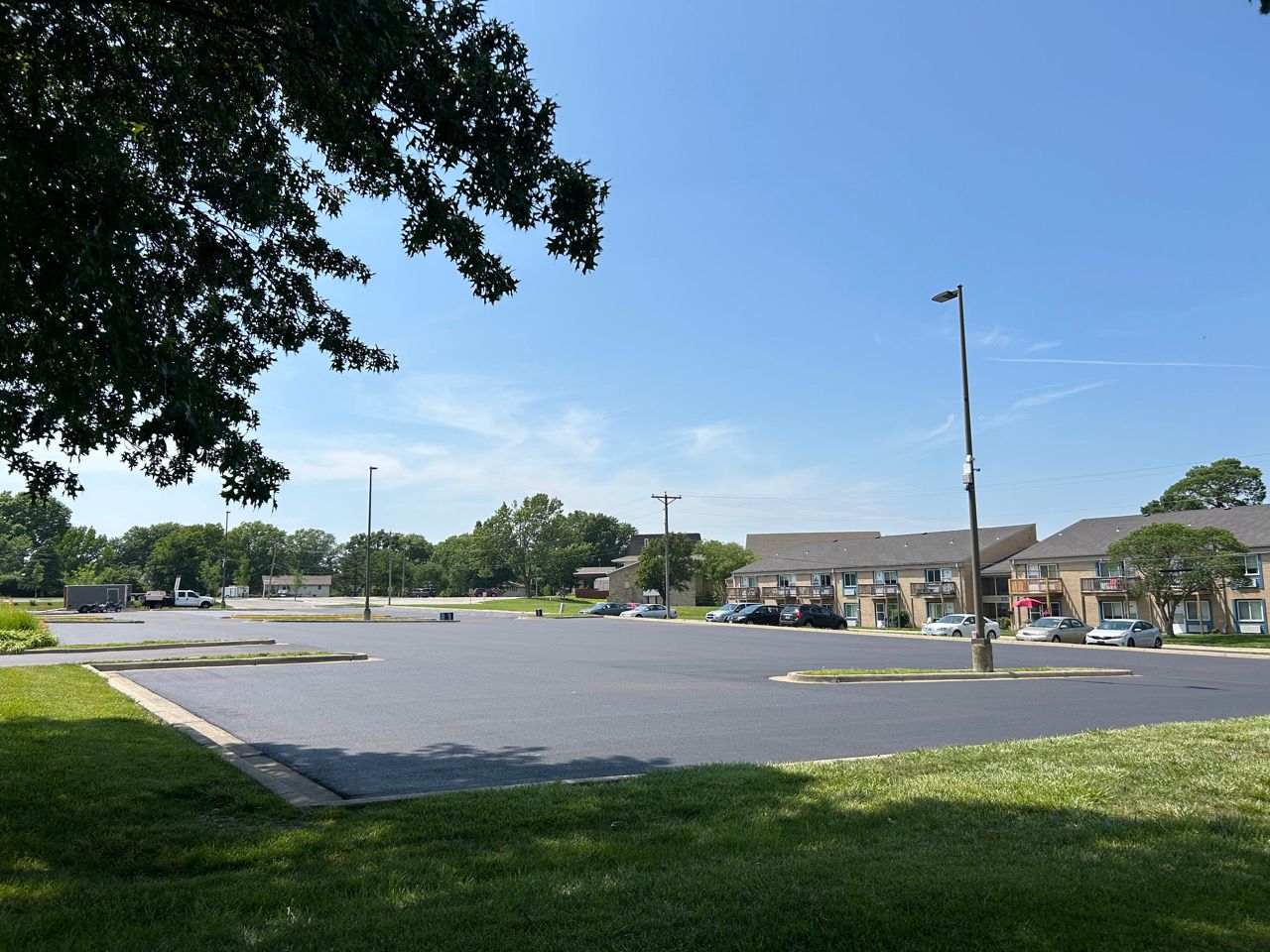
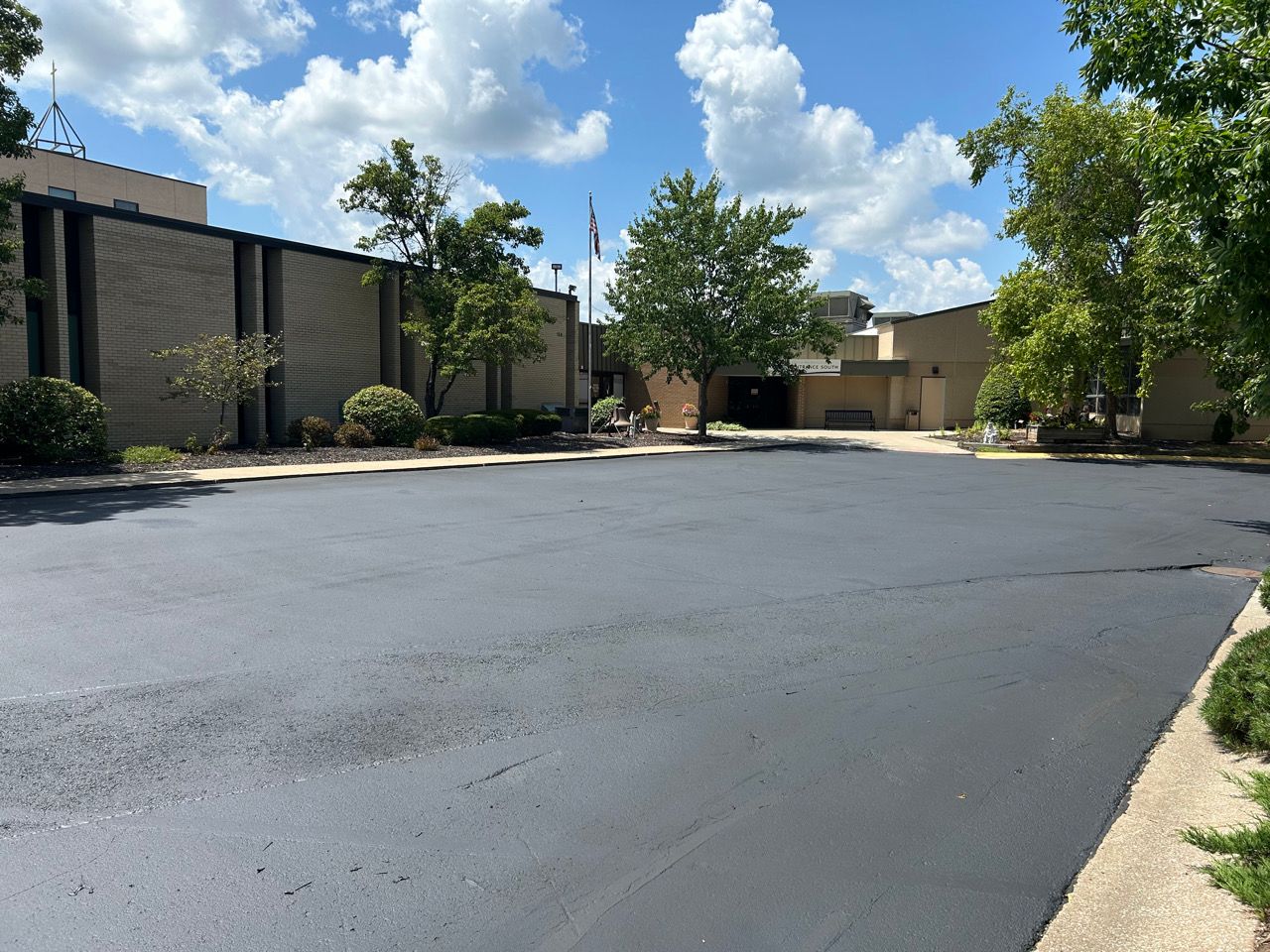
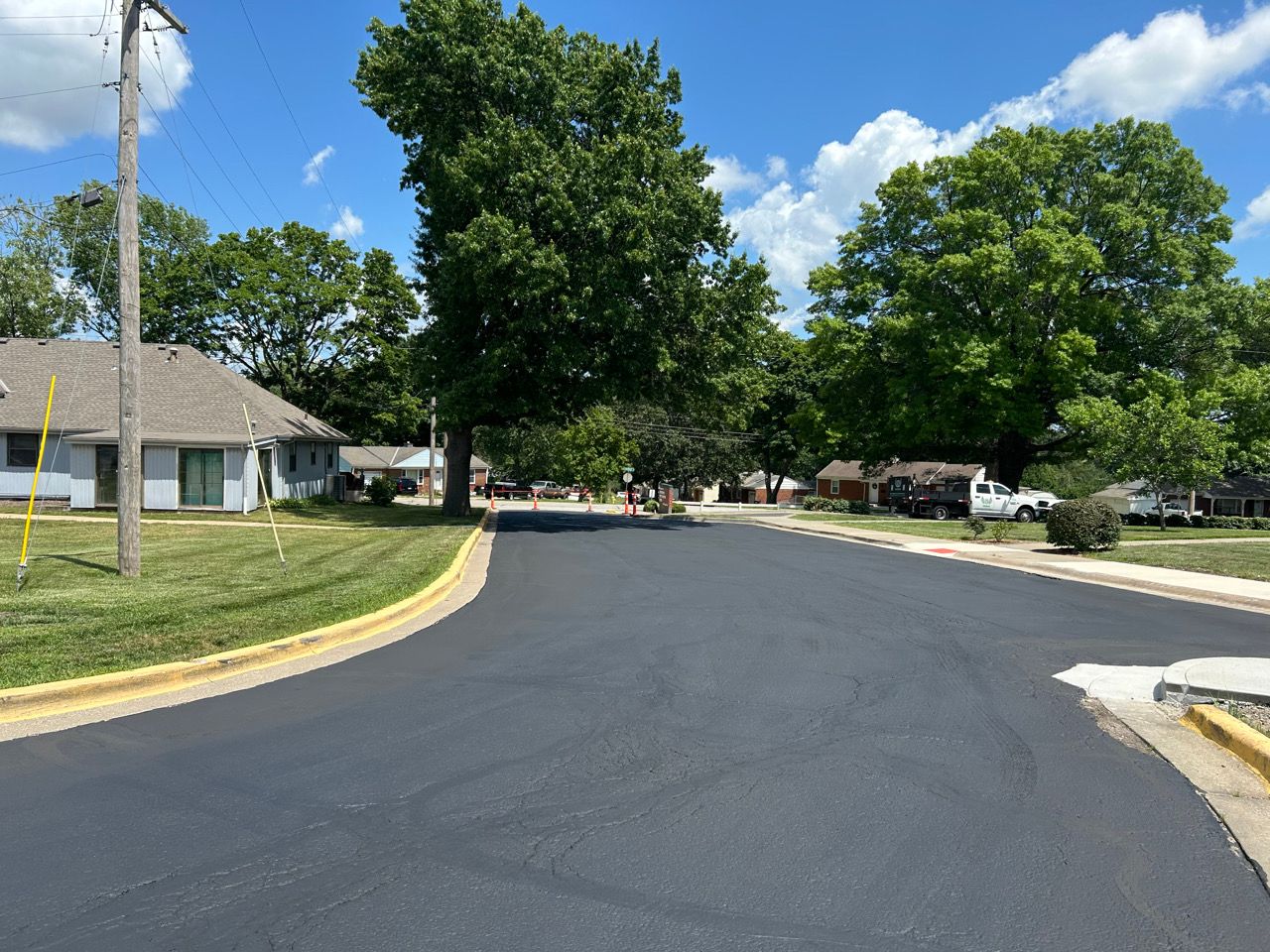
The north parking lot was one of the most used—and most worn—areas on site. Instead of a full reconstruction, we performed an asphalt mill and overlay. Milling removed the damaged top layer while preserving the stable base.

Then we installed a fresh overlay for a smooth, long-lasting finish.

This approach saved the church time and money without sacrificing quality.

More importantly, it gave them a strong, attractive lot built to handle heavy traffic and Missouri’s changing seasons.

Step 2: Upgrading the Concrete Where It Counts

Next, we turned our attention to the concrete elements around campus.

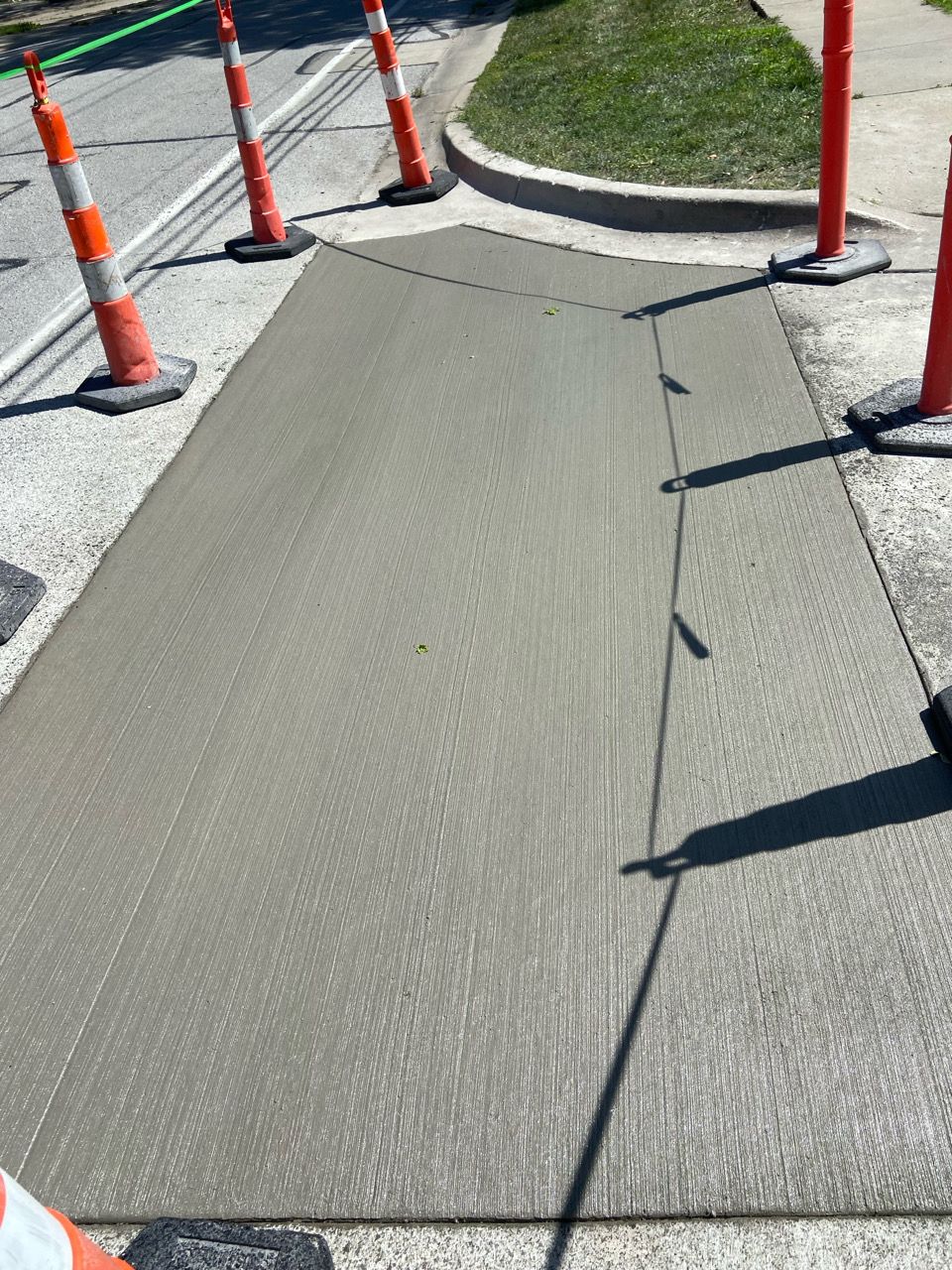
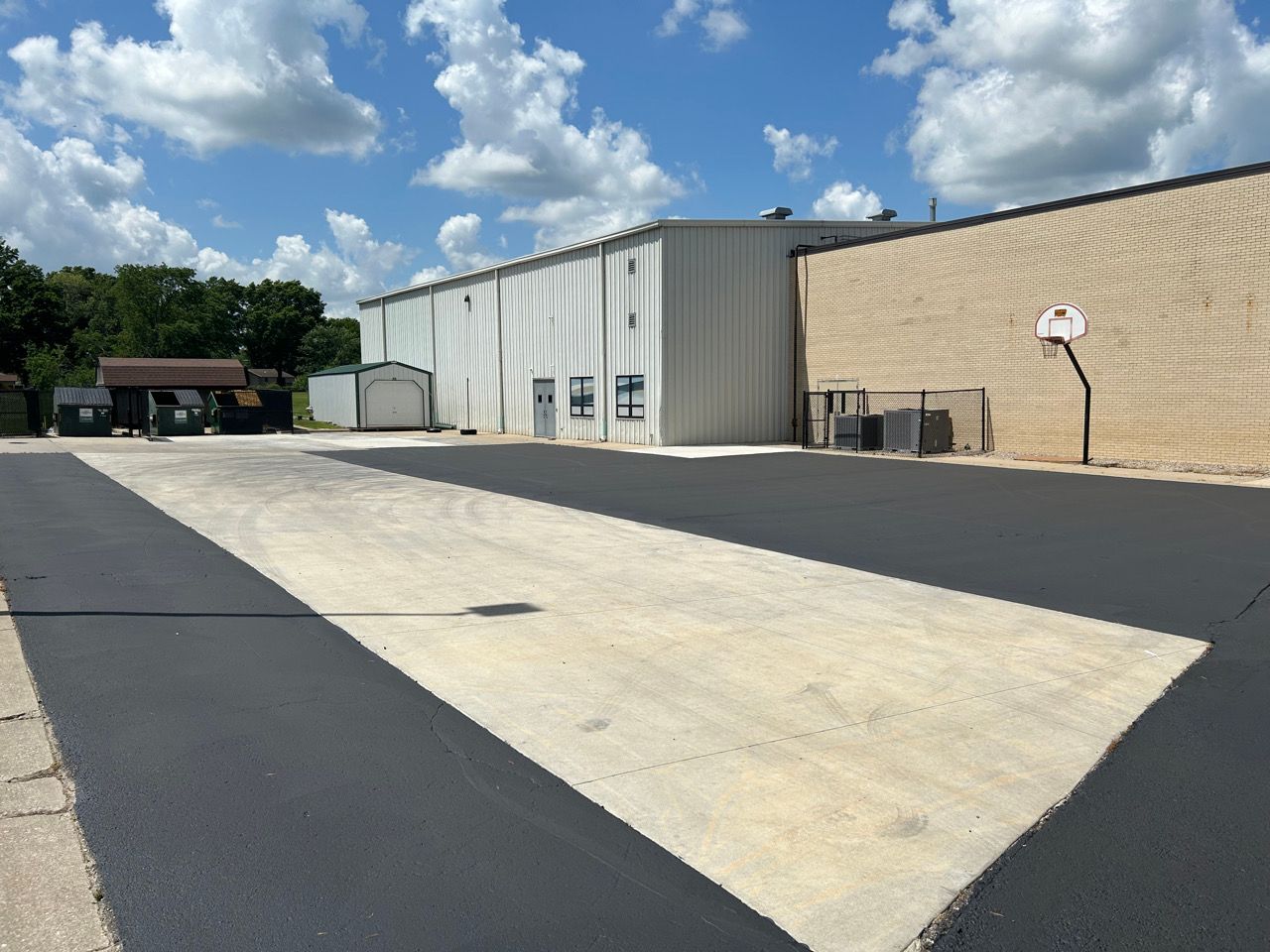
First up was the playground pad. We replaced the old surface with a durable new concrete pad, providing a safer, more reliable foundation for kids at play.

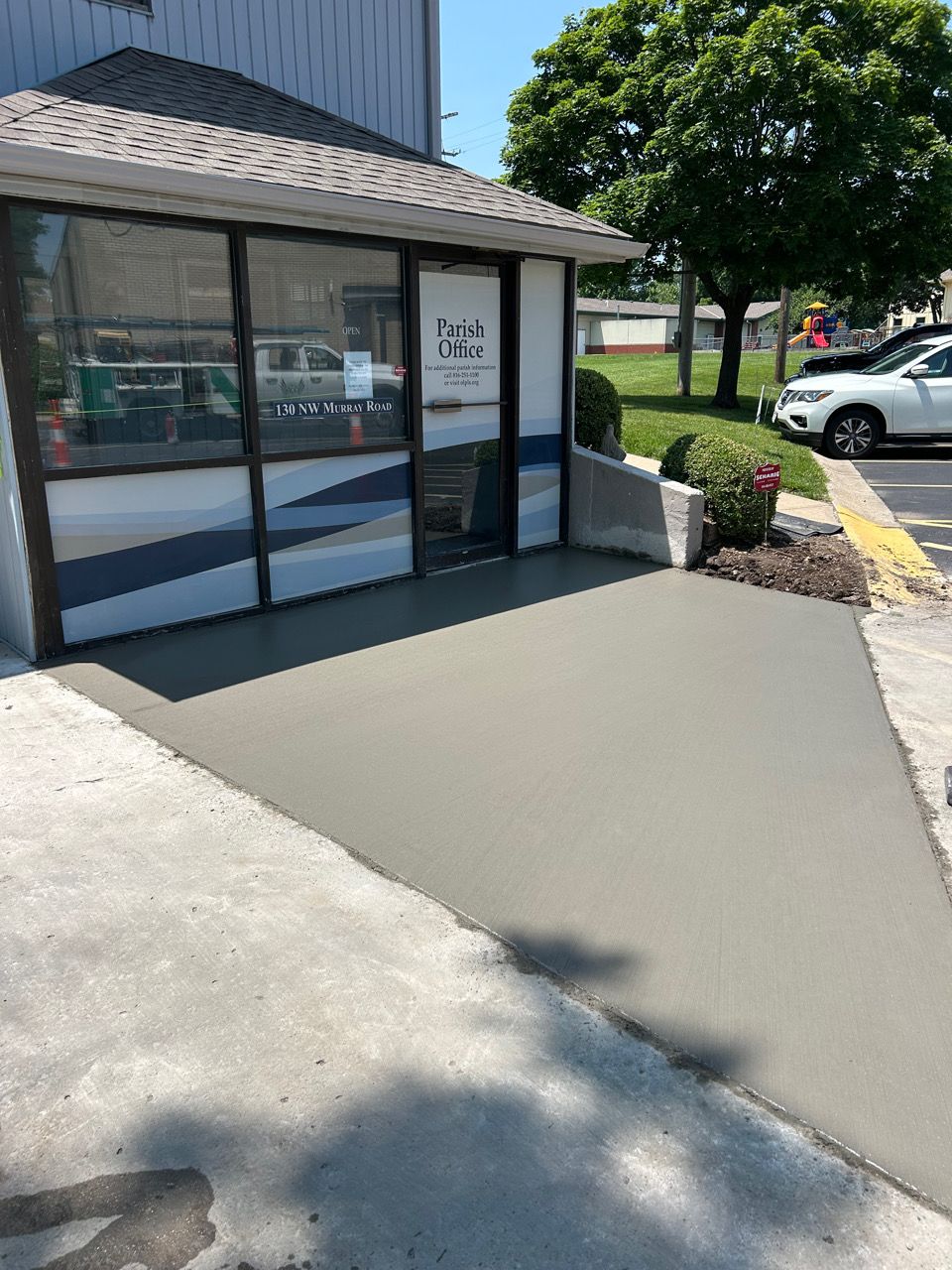
We also replaced the concrete apron near high-traffic entrances and poured new sidewalk sections and an office pad. These upgrades not only fixed wear-and-tear but made the church more accessible for visitors of all ages.

Step 3: Preserving the South Lot and Playground

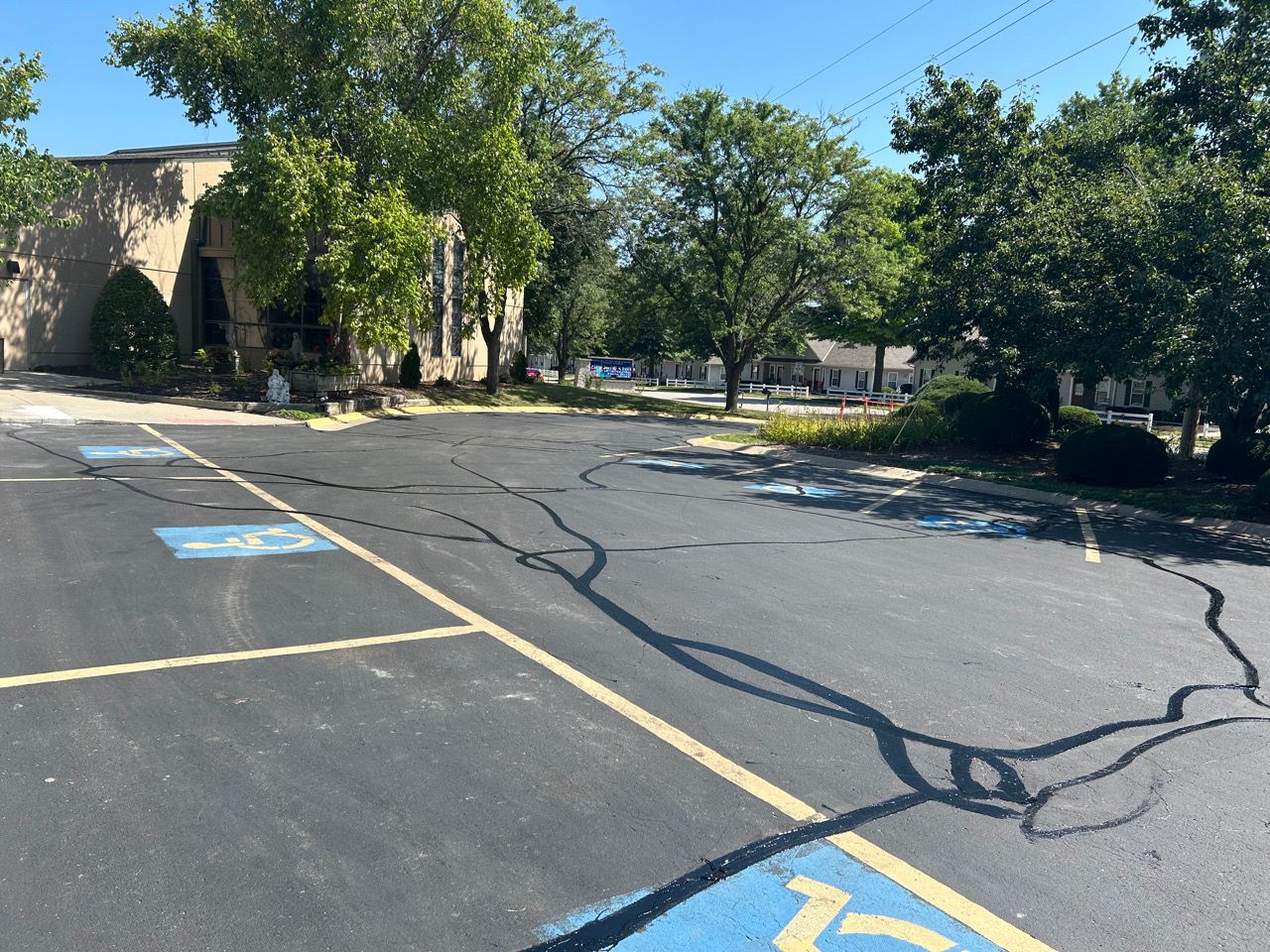
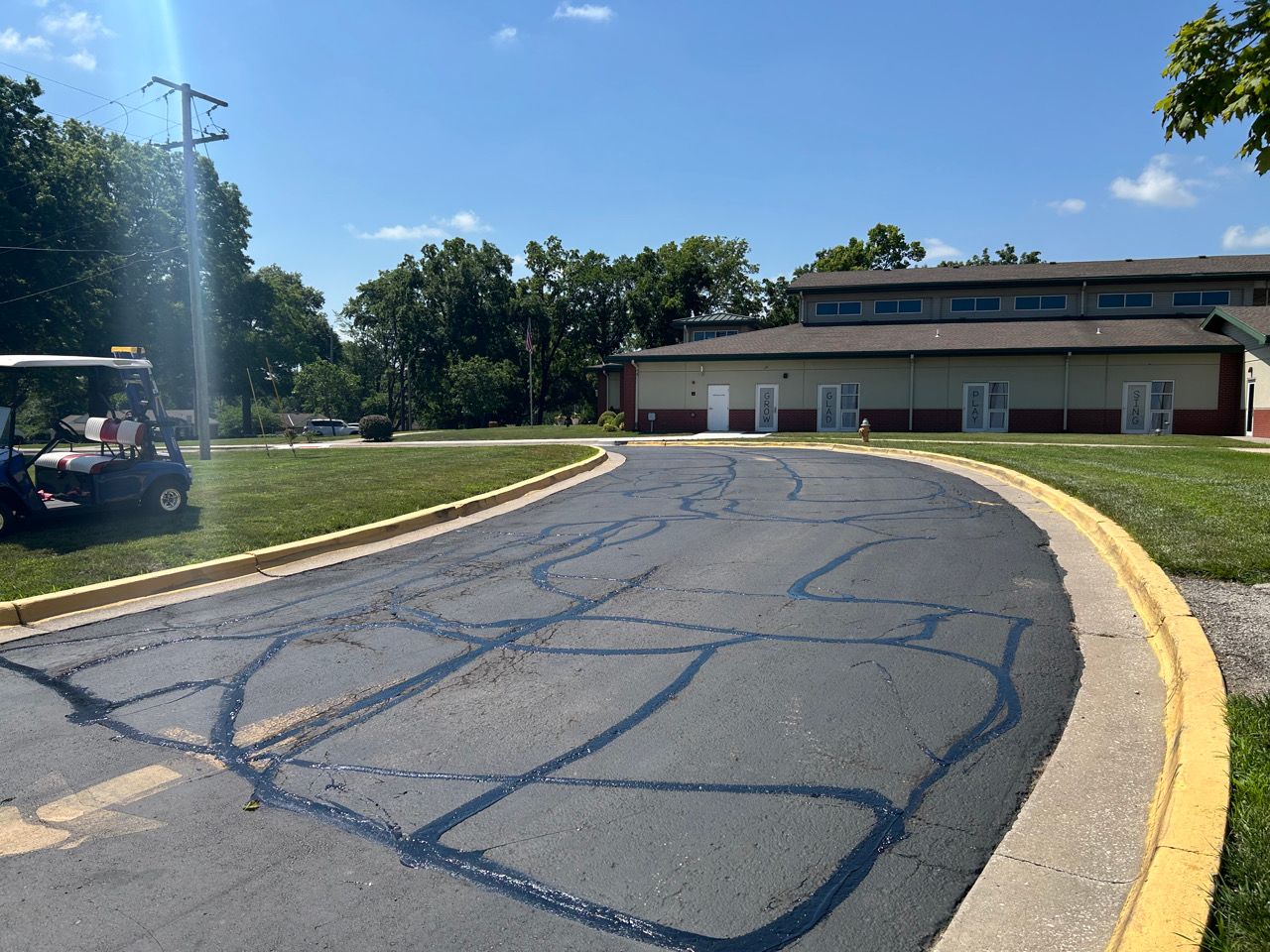
With the heavy lifting done, we shifted focus to protection. The south lot and playground area received crack filling, followed by a full sealcoat to guard against water damage and UV wear.

We finished with fresh striping, bringing bright, organized parking lines back to life.

This final phase made a huge visual impact and gave the property the polished, professional look it deserved.

Why We Took a Phased Approach

Large properties like churches need more than a one-size-fits-all fix.

Each area has a different level of use, exposure, and wear.

By breaking this project into stages, we were able to use the right materials and methods in each section—maximizing both value and performance.

It also meant less disruption for the church. We coordinated with their schedule to ensure services, events, and programs could continue uninterrupted throughout the work.

Trusted by Lee’s Summit Property Managers and Community Leaders

From asphalt overlays to concrete replacement and protective sealcoating, we help properties all over Lee’s Summit stay safe, strong, and sharp-looking year after year.

If your church, school, or facility needs reliable surface work done with care, we’re ready to help. Contact us now and let’s talk through your needs.

We’ll handle it—start to finish.

How Can You Save 30% on Commercial Asphalt Maintenance in Riverside This Year?

Asphalt Paving 5If you manage or own a commercial property in Riverside, MO, you already know how quickly the Midwestern climate can wear down your asphalt surfaces. Between the freeze-thaw cycles in winter and the heat waves that roll through Platte County in the summer, your parking lots and driveways take a beating.

That’s especially true around areas like Gateway Plaza or along NW Vivion Road, where traffic and water runoff are constant.

But the good news?

You can cut your asphalt maintenance costs by up to 30% this year, with the right strategy and timing. Here’s how you can do the same.

Key Takeaways

  • Early crack sealing in Riverside protects pavement from freeze-thaw damage and prevents small cracks from turning into potholes.
  • Regular sealcoating and infrared patching lower costs by extending surface life and avoiding full-depth asphalt replacements.
  • Routine drainage checks and bundling repairs in one visit help reduce water damage and lower yearly maintenance costs.
  • Local tax grants and expert planning from Riverside pros can help businesses save 30 percent on asphalt maintenance.

Schedule Crack Sealing Early in the Year Before Water Infiltration Worsens

One of the easiest ways to slash asphalt repair costs is by catching small cracks before they grow. Here in Riverside, we typically see the worst cracking right after winter, especially in areas like Timber Ridge and Bella Ridge, where the elevation changes lead to more runoff.

The freeze-thaw cycle forces water into existing cracks, expanding them and eventually causing potholes. If you wait until fall, those small cracks will likely turn into full-blown surface failures.

Sealing early in the year—ideally before the rainy season hits in May—prevents water damage and avoids costly structural repairs later.

Invest in a Preventative Sealcoating Routine Every Two to Three Years

Sealcoating acts like sunscreen for your asphalt. It protects the surface from UV damage, oil spills, and water penetration. But in a place like Riverside, where blacktop surfaces soak up intense summer sun, especially in wide-open lots near the Riverside Community Center or along NW Platte Road, sealcoating every two to three years isn’t optional—it’s necessary.

Sticking to a consistent schedule extends the life of your pavement and prevents you from having to resurface it prematurely, which can save you tens of thousands over the life of the lot.

Use Infrared Patching Instead of Full-Depth Repairs When Possible

When damage is localized—like in high-traffic corners near businesses off NW Englewood Road—instead of tearing out and replacing whole sections, infrared asphalt patching can be a game-changer.

This method heats the existing asphalt, mixes it with new material, and smooths it out seamlessly. It’s quicker, less labor-intensive, and far more cost-effective than full-depth replacement.

For commercial properties that need to stay open during repairs, it also minimizes downtime, which saves on both repair costs and lost business.

Perform Regular Drainage Inspections Around Parking Lots and Curbs

Improper drainage is a hidden asphalt killer, especially in parts of Riverside near Line Creek or the levee-protected zones, where water tends to sit after a storm.

When stormwater isn’t directed away from your pavement, it seeps through cracks, weakens the base layer, and eventually causes surface failure. We often find that neglected drainage leads to some of the most expensive repairs.

Having a professional inspect and clean out catch basins and adjust grades once or twice a year can prevent those problems—and help you avoid emergency parking lot repairs that blow up your budget.

Combine Multiple Services in a Single Scheduled Visit to Reduce Mobilization Costs

Here in Riverside, we’re often called out for spot repairs or striping jobs that could have been bundled into a single site visit. Mobilization—the cost of transporting equipment and setting up the job site—adds up fast.

When we work with property managers near the Argosy Casino area or on commercial strips near NW 56th Street, we always recommend bundling services like crack filling, sealcoating, and line striping into one scheduled project.

This simple move alone can shave hundreds, if not thousands, off your annual maintenance costs.

Apply for Local Tax Incentives or Small Business Improvement Grants When Available

The City of Riverside and Platte County occasionally offer grants or tax abatements for commercial property improvements, especially those that enhance safety or ADA compliance.

If you’re upgrading your parking lot to include accessible striping or improving walkways around your building, you might qualify for some local funding. We’ve seen business owners in industrial areas near NW Horizon Drive and even smaller office parks near NW Gateway Avenue save significantly by tapping into these programs.

Staying informed on local incentives can free up more budget for high-priority maintenance.

Get Better Asphalt Results Without Blowing Your Budget

If you’re tired of overspending on repairs that keep coming back, you’re not alone. The real problem isn’t the asphalt—it’s a lack of planning and localized strategy.

At Gann Asphalt & Concrete, Inc., we help Riverside businesses get ahead of wear and tear with smarter, more cost-effective maintenance plans. Whether your property sits near the bustling heart of Riverside or out near the quieter corners of NW River Park Drive, we understand the local conditions—and how to work with them instead of against them.

Let us help you save up to 30% on your commercial asphalt maintenance this year. Schedule an inspection, request a quote, or ask about bundling services to lock in savings.

Reach out today and see why Riverside businesses trust us to keep their pavement smooth, safe, and budget-friendly.

Frequently Asked Questions

How long does commercial asphalt resurfacing usually last in Riverside, MO?

Most resurfaced lots in Riverside last 10 to 15 years, especially when paired with regular sealing and drainage checks. Our team recommends resurfacing only when crack sealing or patching no longer holds effectively.

Is winter asphalt repair possible in Platte County conditions?

Yes, we offer cold mix asphalt and temporary patching options during winter, which work well in emergencies near Line Creek or high-traffic spots that can’t wait for spring.

Do you provide ADA-compliant striping and upgrades for commercial lots?

Yes, we handle full ADA compliance, including ramp access, signage, and striping. We’ve helped Riverside businesses stay compliant and avoid fines, especially during remodels or parking lot layout changes.

Can I request a long-term maintenance quote for multiple properties in Riverside?

Absolutely. We provide bundled estimates for property managers with multiple sites, especially along the NW Gateway or near the Riverside industrial parks. This helps streamline planning and lower per-property costs.

Can You Negotiate With a Paving Contractor in Riverside? (6 Tips That Work)

If you’re planning to repave your driveway or parking lot in Riverside, MO, one question probably crosses your mind early on: can I negotiate the price with a paving contractor?

The short answer is yes, but like most things, it’s all about how you approach it. That means negotiations are not only possible—they’re often expected.

But you have to go about it the right way.

Here are five locally tailored tips that can help you negotiate effectively with a paving contractor in Riverside, MO.

Key Takeaways

  • Negotiating with a paving contractor in Riverside is normal when you understand local prices and communicate clearly upfront.
  • Planning your project during early spring or late fall can help you get better pricing and faster scheduling.
  • Flexibility, clear project scope, and asking for useful extras can make negotiations easier without lowering overall quality.
  • Choosing a trusted local company ensures better results because they understand Riverside’s climate, soil, and traffic conditions well.

Tip 1. Understand Local Material and Labor Costs in Riverside

Before you even pick up the phone, it helps to understand the going rates in Riverside and surrounding Platte County. For example, asphalt prices can spike in summer due to higher demand, especially when roadwork peaks around I-635 or near Argosy Casino.

Contractors also have to account for labor availability, which can fluctuate depending on seasonal construction demand across the Kansas City metro suburbs.

When you show that you’ve researched average square-foot pricing for asphalt or concrete in the area, they are more likely to respect your counteroffer.

It shows you’re not lowballing—you’re informed.

Tip 2. Time Your Project Around the Local Off-Season

In Riverside, the asphalt paving season ramps up fast once spring hits, and contractors are often slammed through late fall. However, the shoulder seasons—early spring (March) or late fall (November)—can be less busy.

During these slower months, companies may offer more flexible pricing to keep their crews working. If your home is off NW Gateway Avenue or your commercial property is near Riverside Park, consider planning your project just before or after peak season.

You’re more likely to get a better deal, and they may even prioritize your job to keep the workflow steady.

Tip 3. Be Flexible with Scheduling to Get a Better Deal

A lot of contractors in Riverside get booked up fast during the busy season, especially near places like Argosy Parkway or the neighborhoods off NW Briarcliff Lane.

But if you’re flexible on timing, that can actually help you save.

Ask if they have any gaps between jobs or smaller windows where they could fit your project in. It keeps their crew busy, and they might knock a little off the price for the convenience.

Sometimes, being easy to schedule is the best way to negotiate without even asking for a discount.

Tip 4. Know Exactly What You’re Asking For

It’s easier to negotiate when everyone’s on the same page.

In Riverside, a small driveway off Timberline Ridge isn’t going to need the same work as a parking lot near NW Platte Road. If you’re not clear on whether you need resurfacing, full replacement, or just patching, a contractor might price in more than you really need.

Being specific—like asking whether striping or drainage fixes are included—helps them break down the quote. And when the details are clear, you’ve got a better shot at adjusting parts of the project to fit your budget.

Tip 5. Ask for Value-Adds Instead of Straight Discounts

If your paving contractor won’t budge much on price, try asking for extras that are meaningful in our climate. In Riverside, where summer UV exposure and winter freeze cycles are brutal on asphalt, things like a longer-lasting sealcoat, a thicker base layer, or upgraded drainage can add real value.

Contractors working around Riverside Park or along NW Briarcliff Parkway know how quickly water runoff issues can ruin a new driveway.

These extras may cost the contractor less than a cash discount, but offer more long-term value for you, and they’re often easier to negotiate.

Tip 6. Talk About Payment Terms, Not Just the Price

Sometimes, negotiation doesn’t mean lowering the total cost.

It means spreading it out in a way that works for you.

Many paving contractors in Riverside, especially family-owned ones, are open to payment plans or phased invoicing, particularly for larger projects like commercial lots near the Horizons Industrial Park.

Offering a solid deposit or agreeing to a quick payment schedule in exchange for a slight price break can help both sides. It shows you’re serious and financially prepared, which gives the contractor confidence to meet you halfway.

Let’s Talk About Your Paving Project in Riverside

Looking for a fair price without cutting corners? Let’s make it happen.

At Gann Asphalt & Concrete, Inc., we know Riverside isn’t like everywhere else. From the traffic patterns around Argosy Parkway to the soil conditions off NW Riverside Drive, we understand what it takes to pave right in this town.

If you’re a homeowner tired of cracked driveways or a business owner managing parking lot maintenance, we’re here to make the process clear, fair, and worth every penny.

Contact us today to request a quote or schedule your on-site consultation.

Let’s work together to get your pavement looking sharp and lasting longer—without the stress.

"*" indicates required fields

This field is for validation purposes and should be left unchanged.
REQUEST AN ESTIMATE

REQUEST AN ESTIMATE